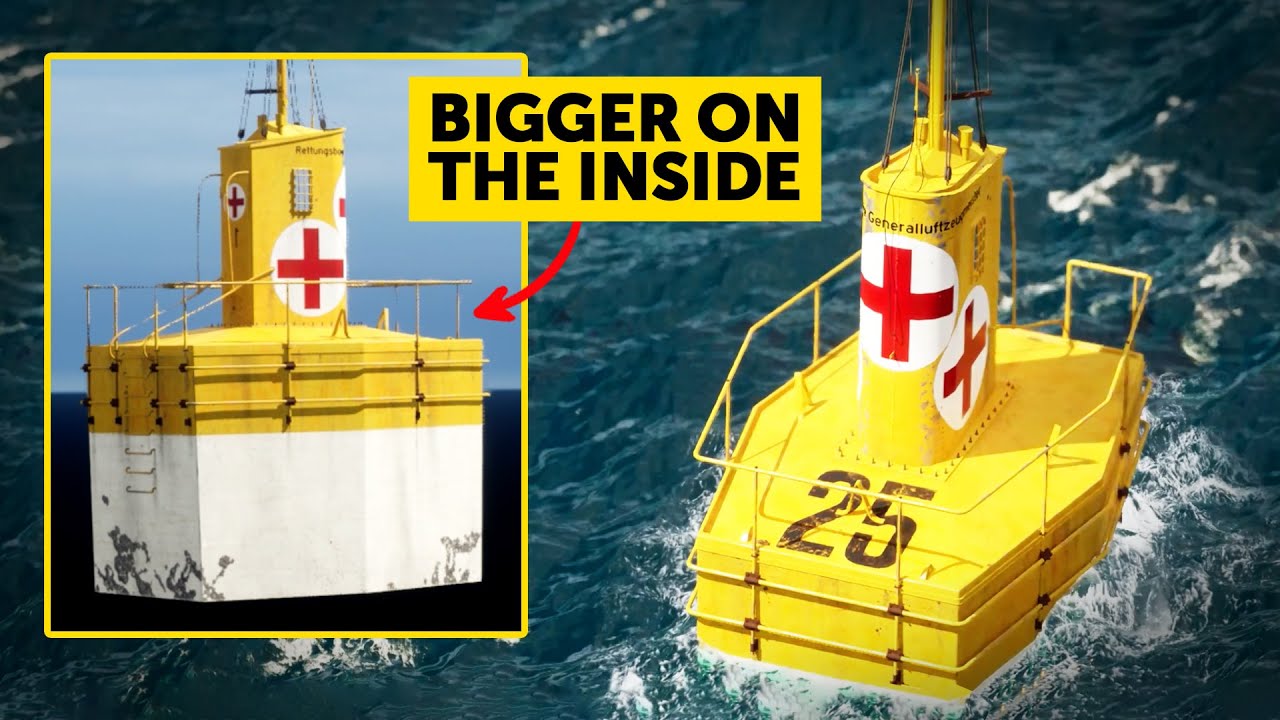
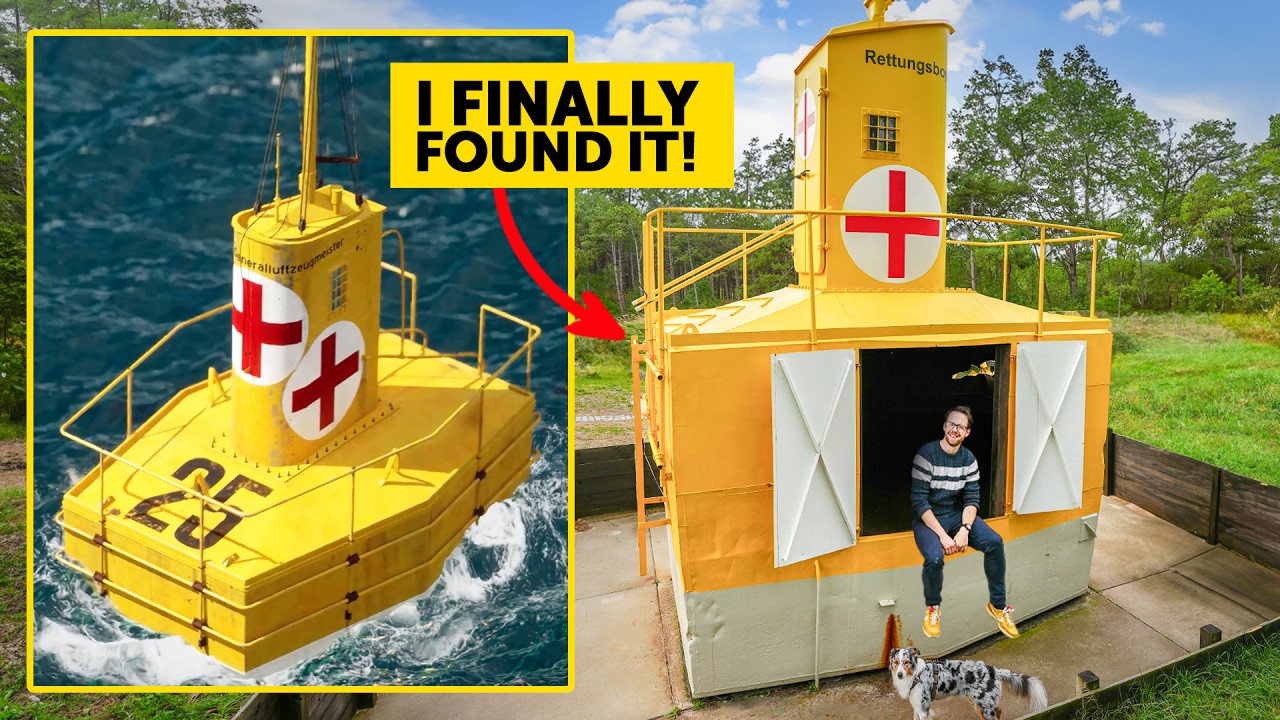
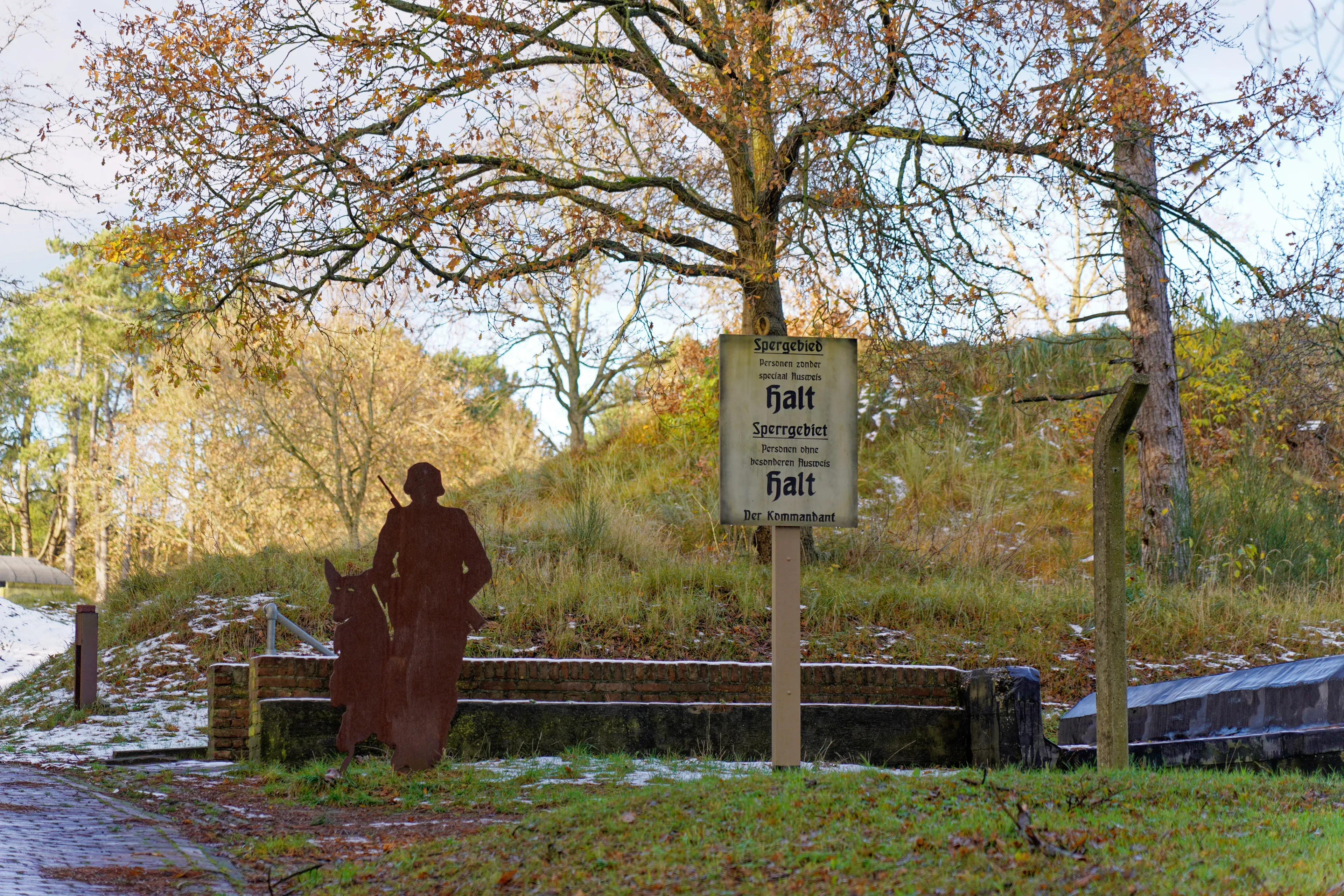
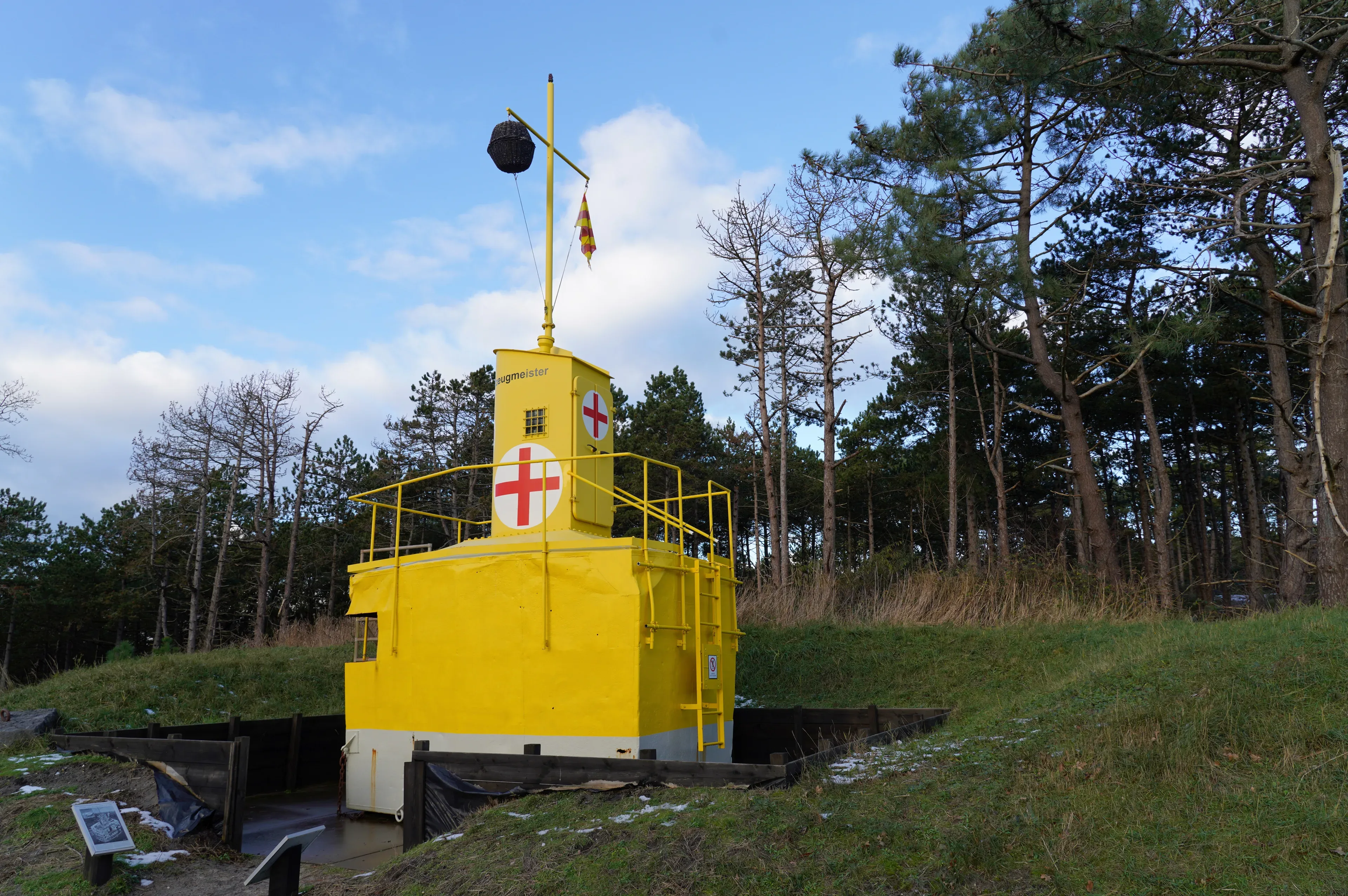
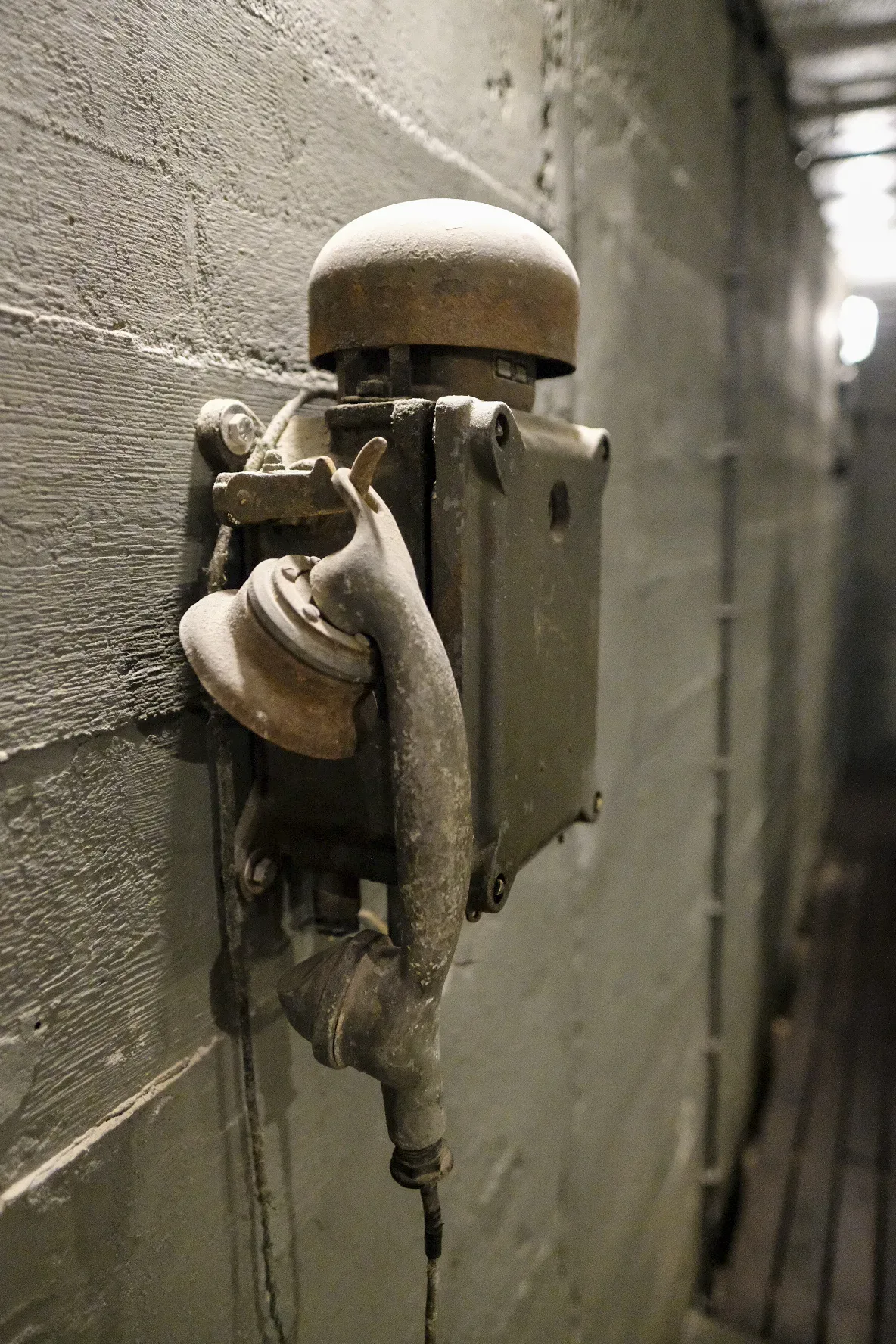
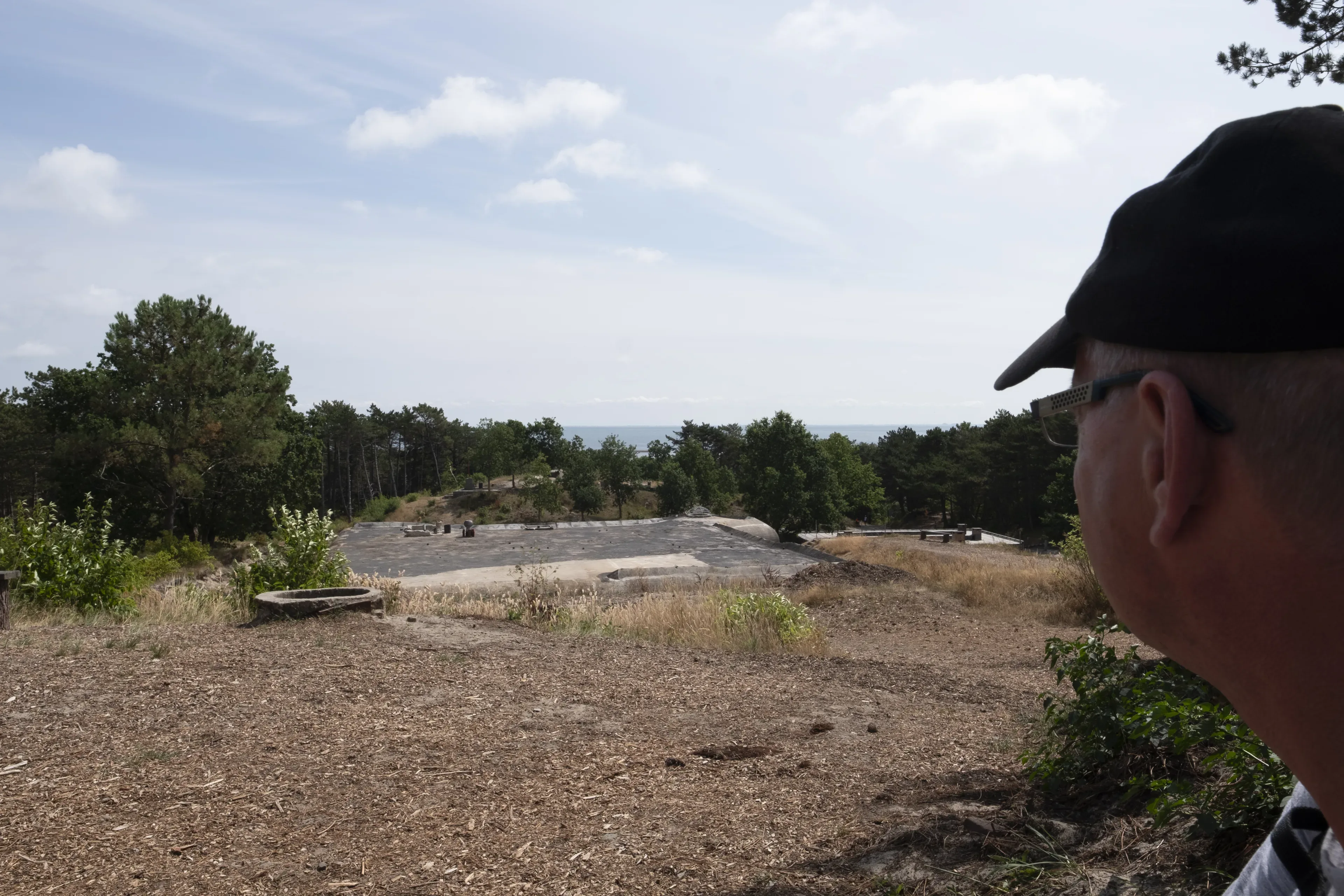
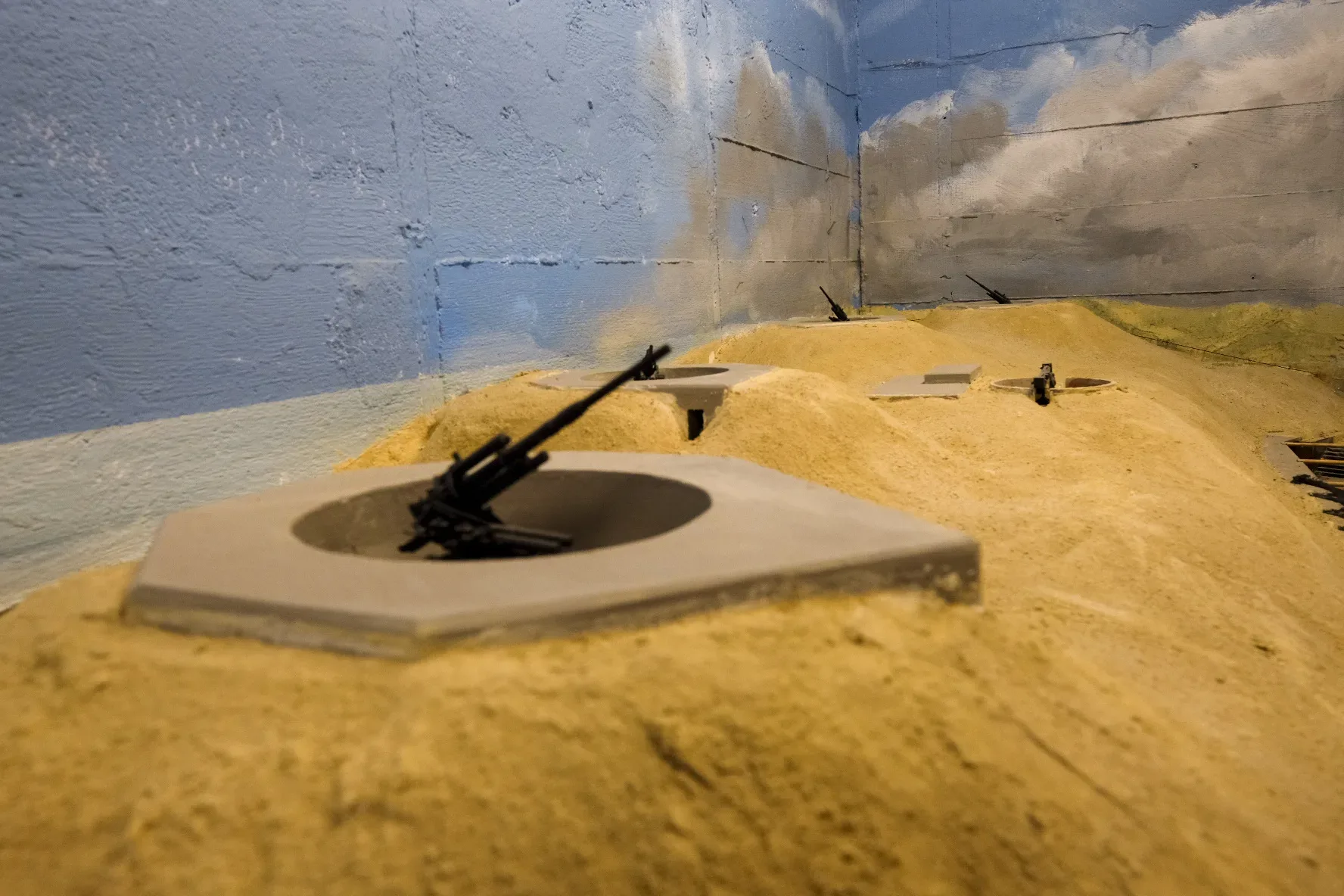
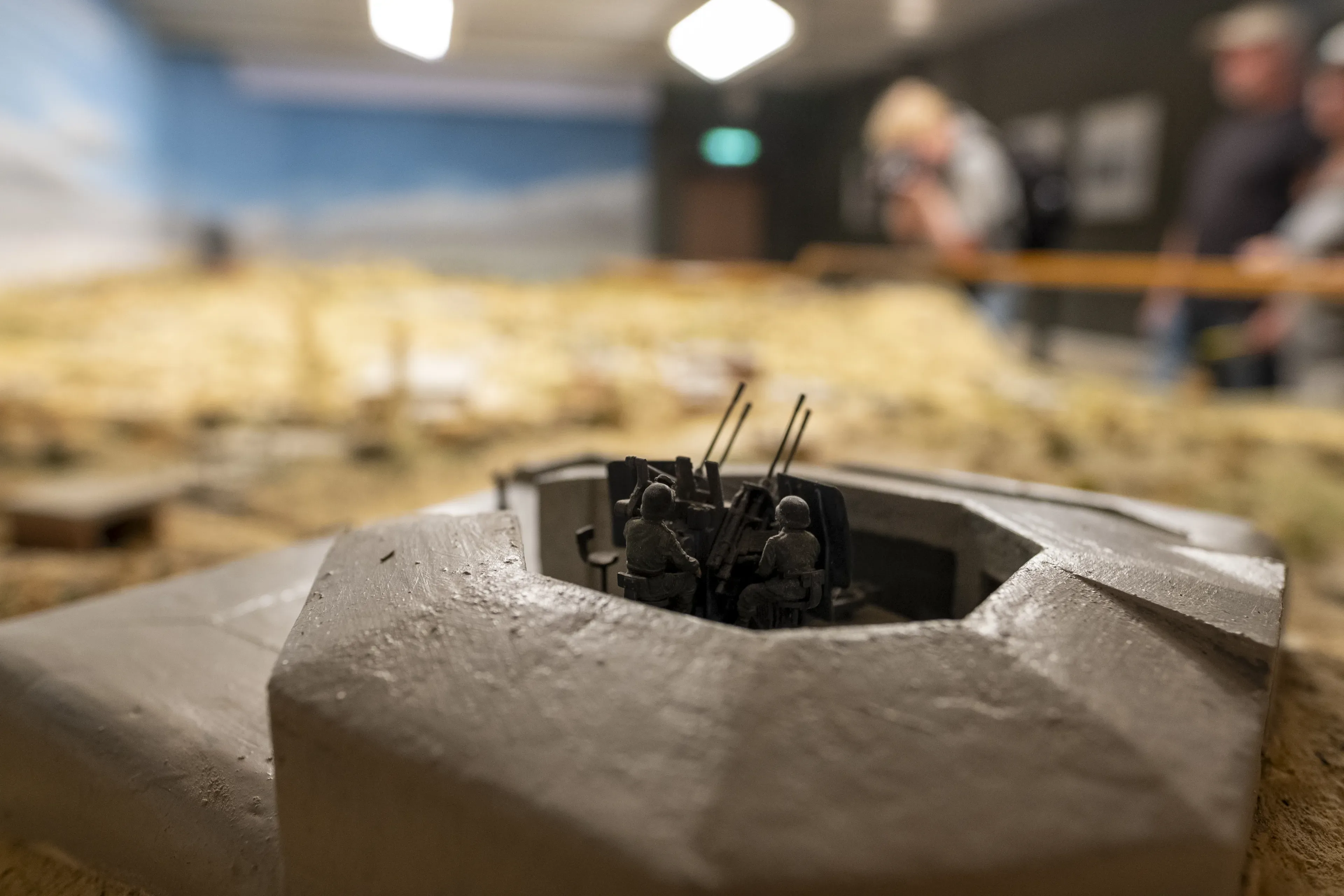
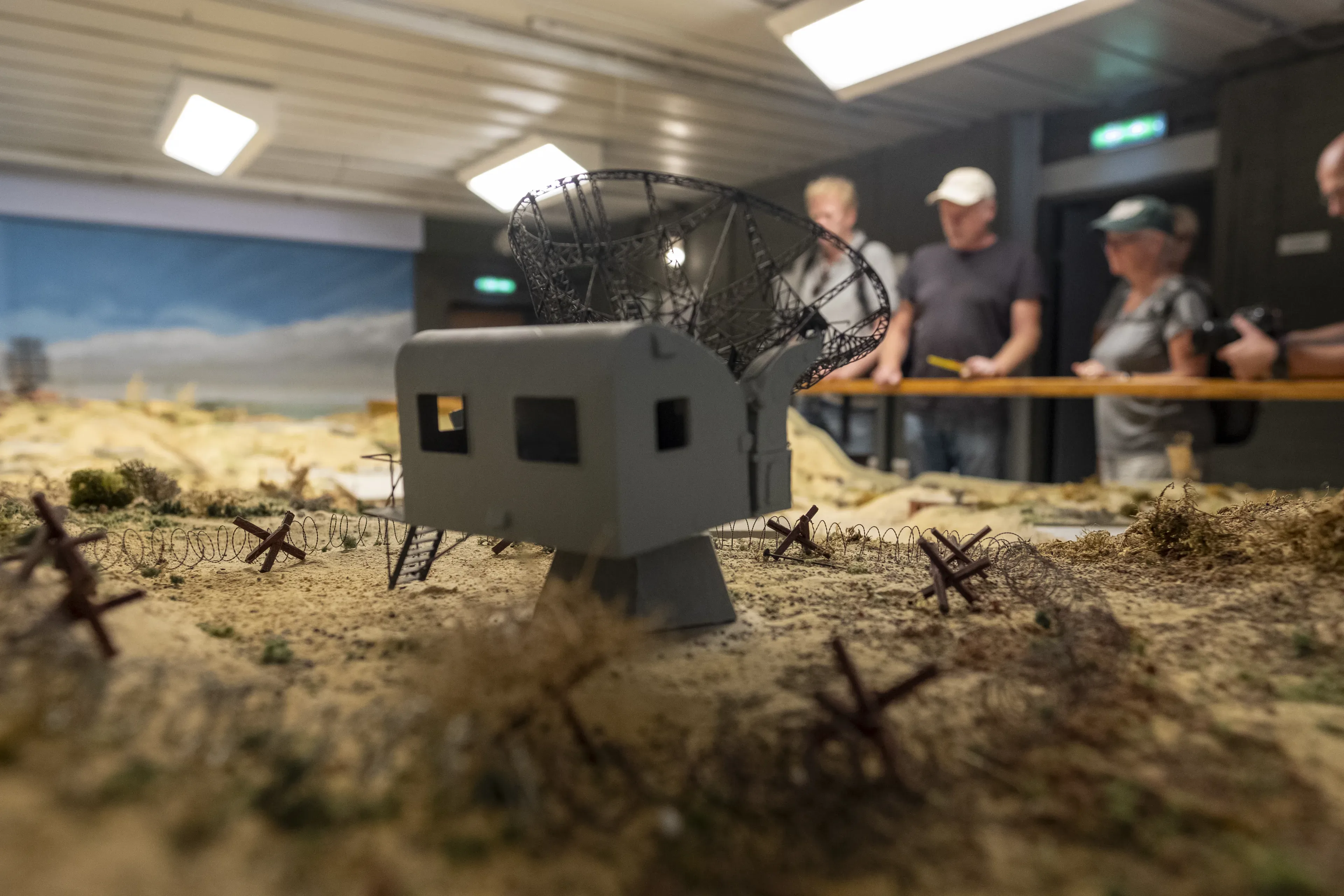
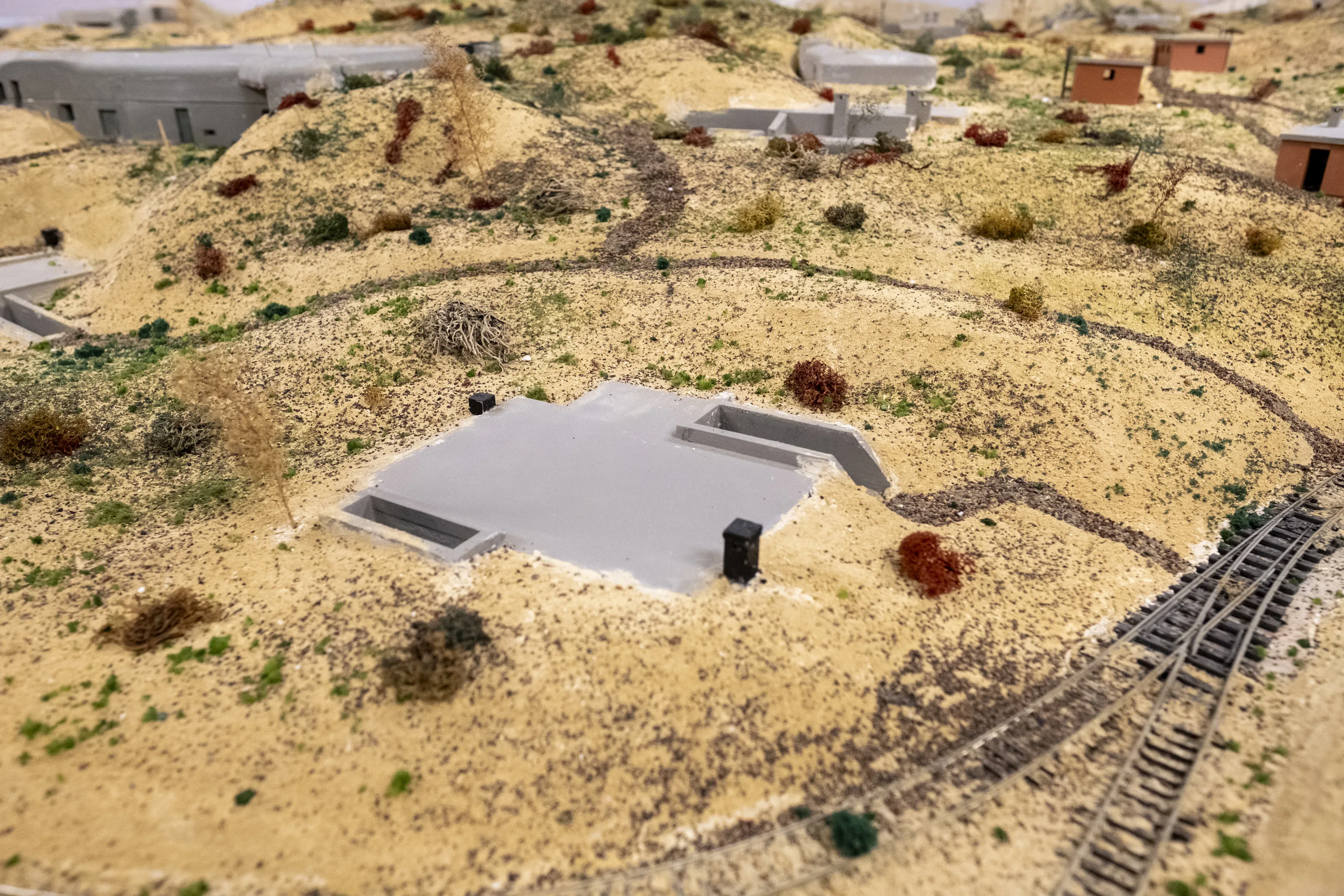
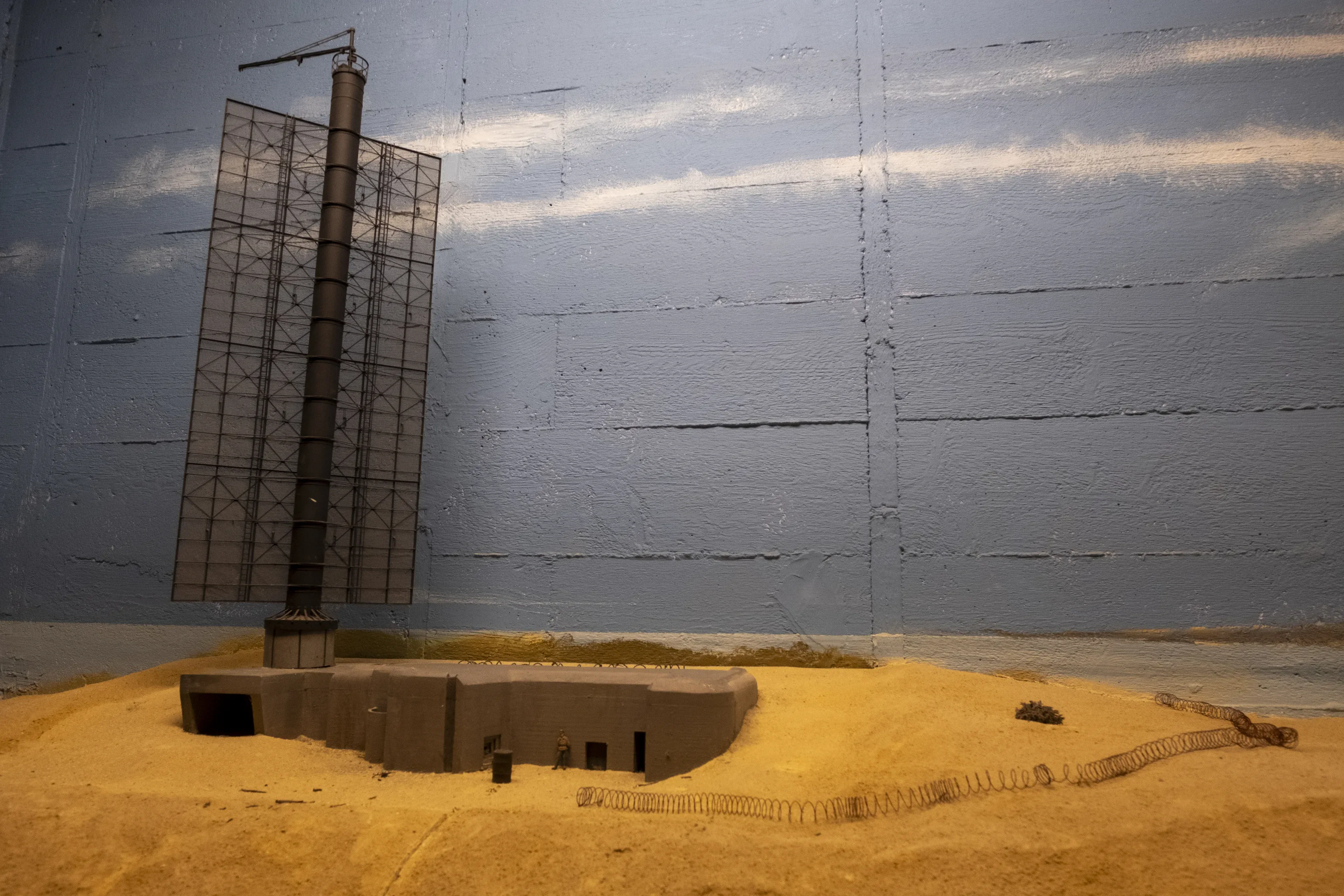
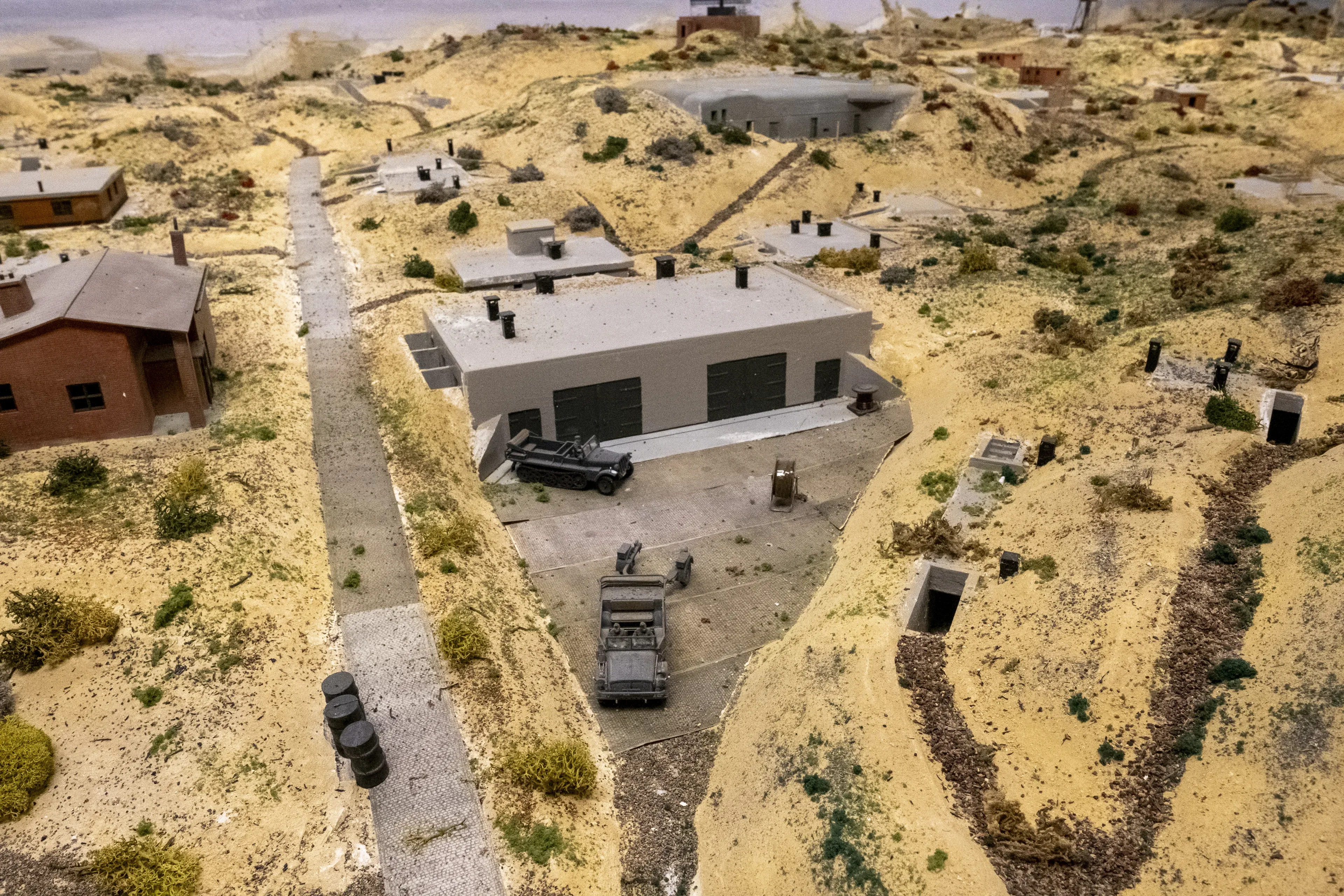
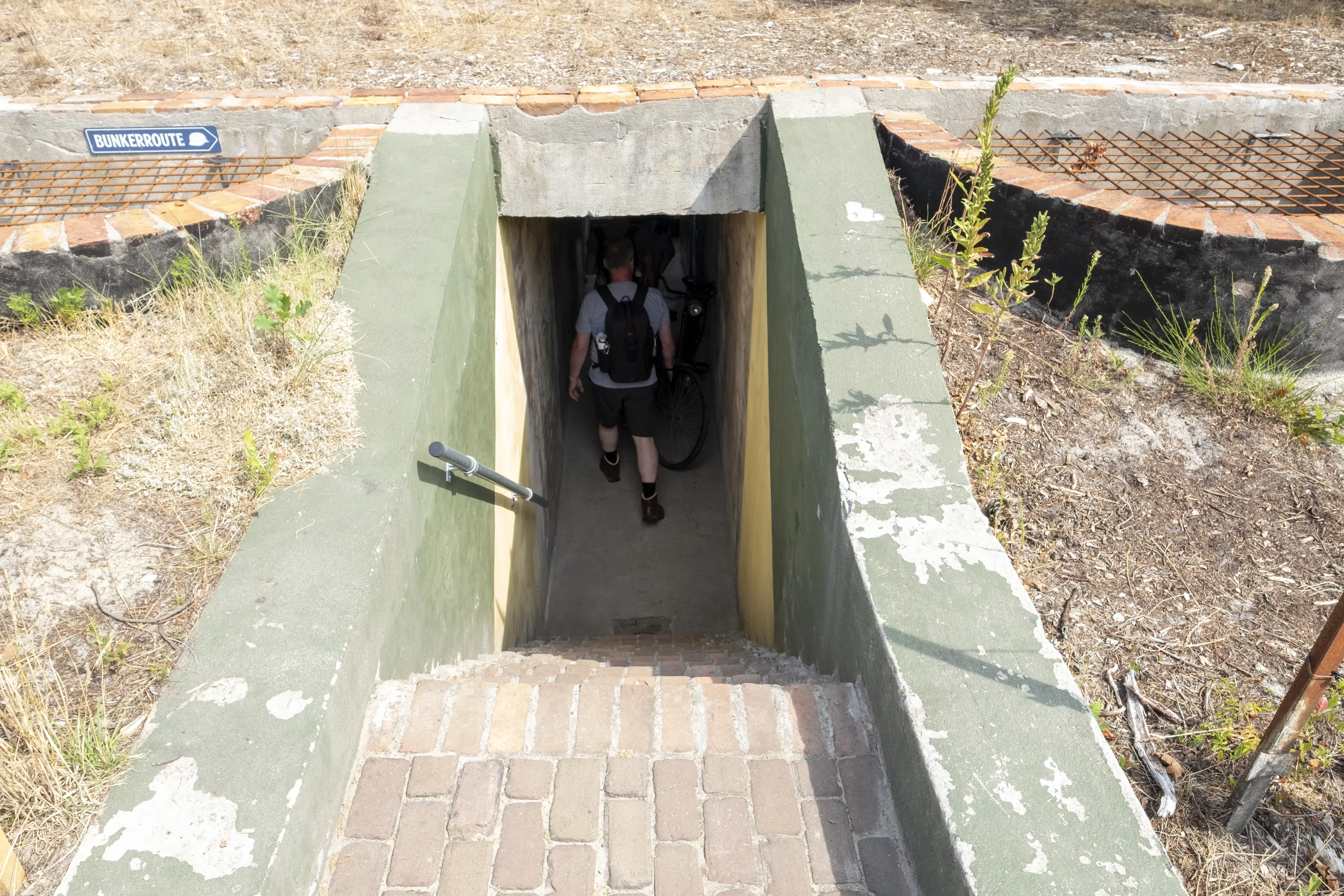
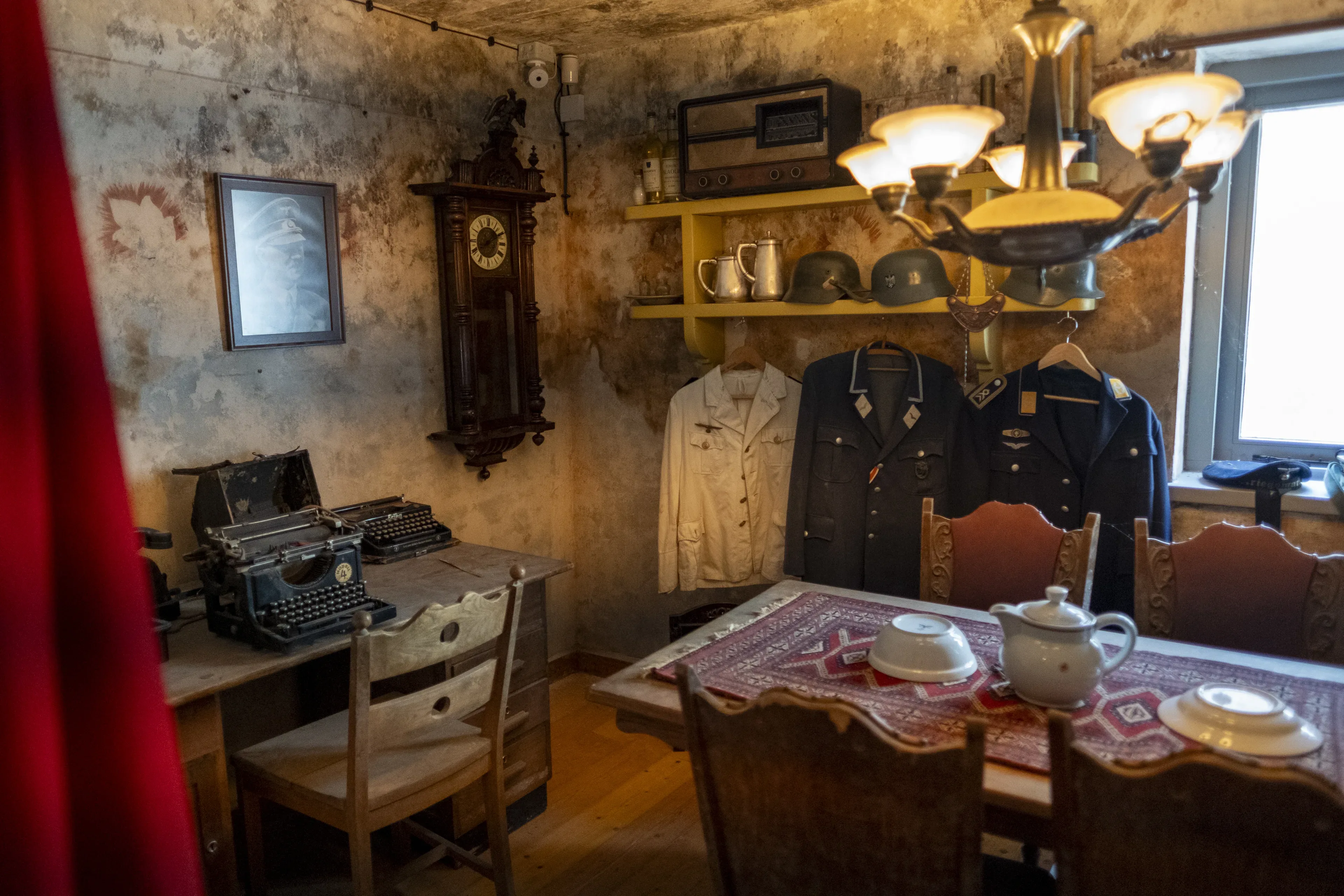
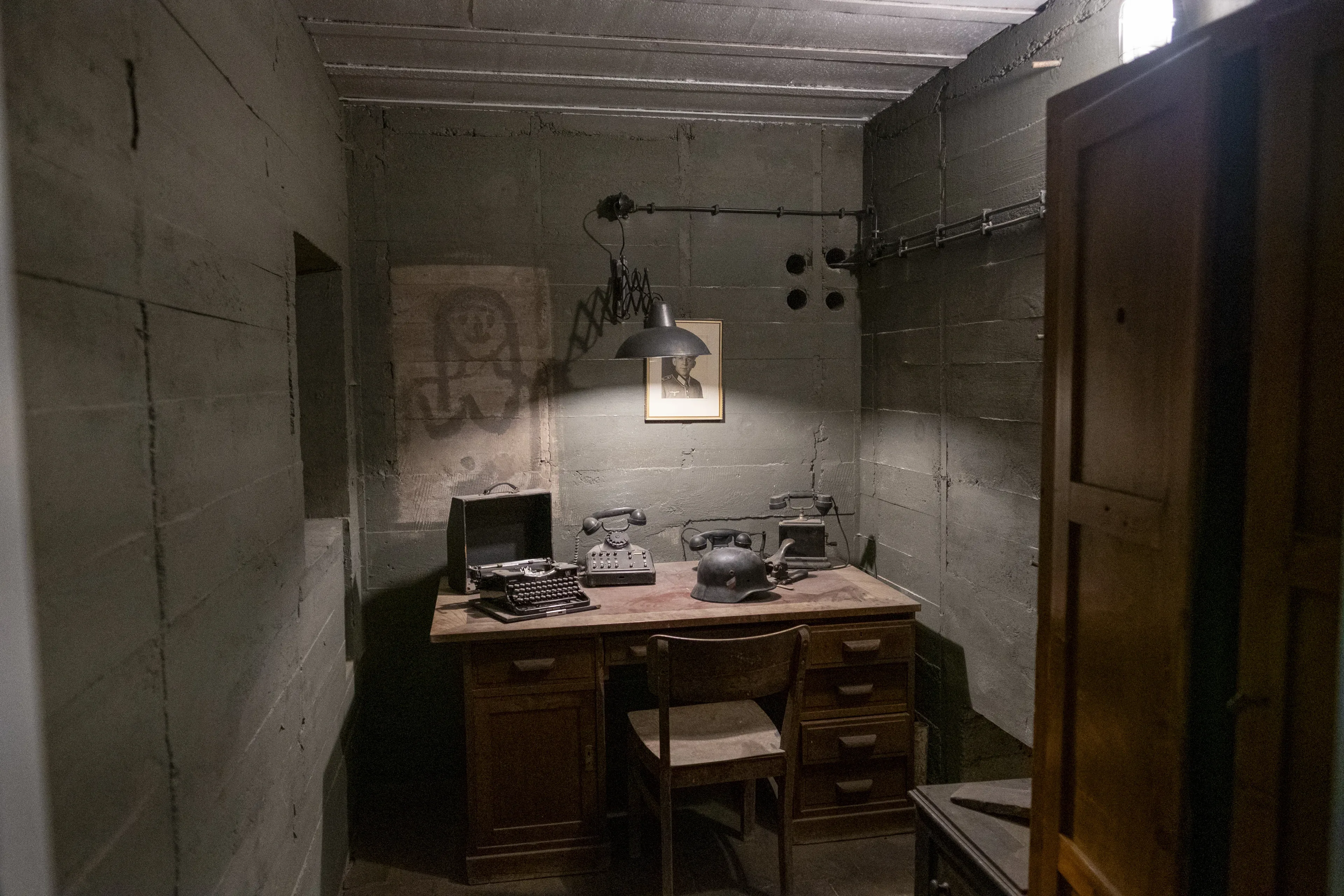
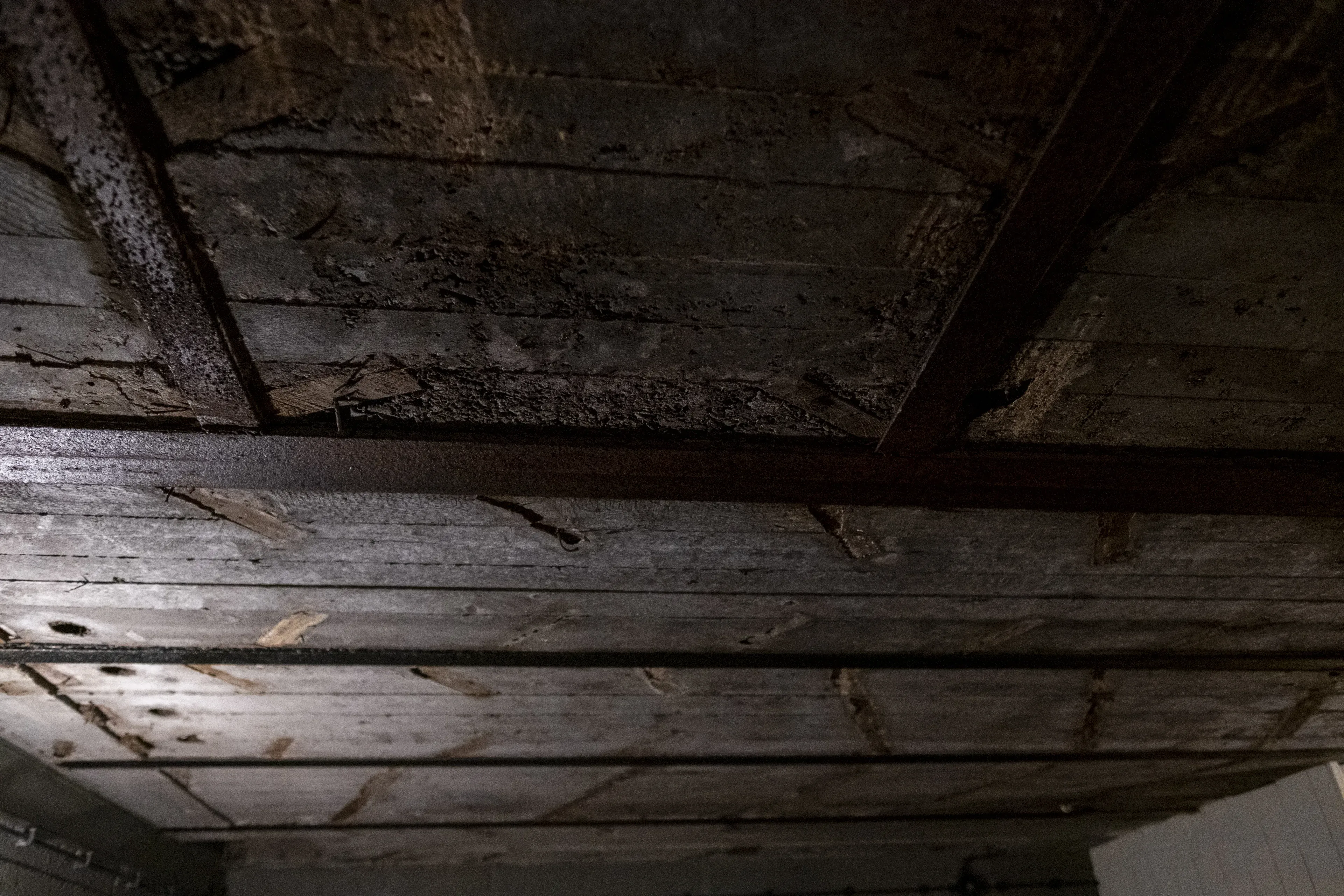
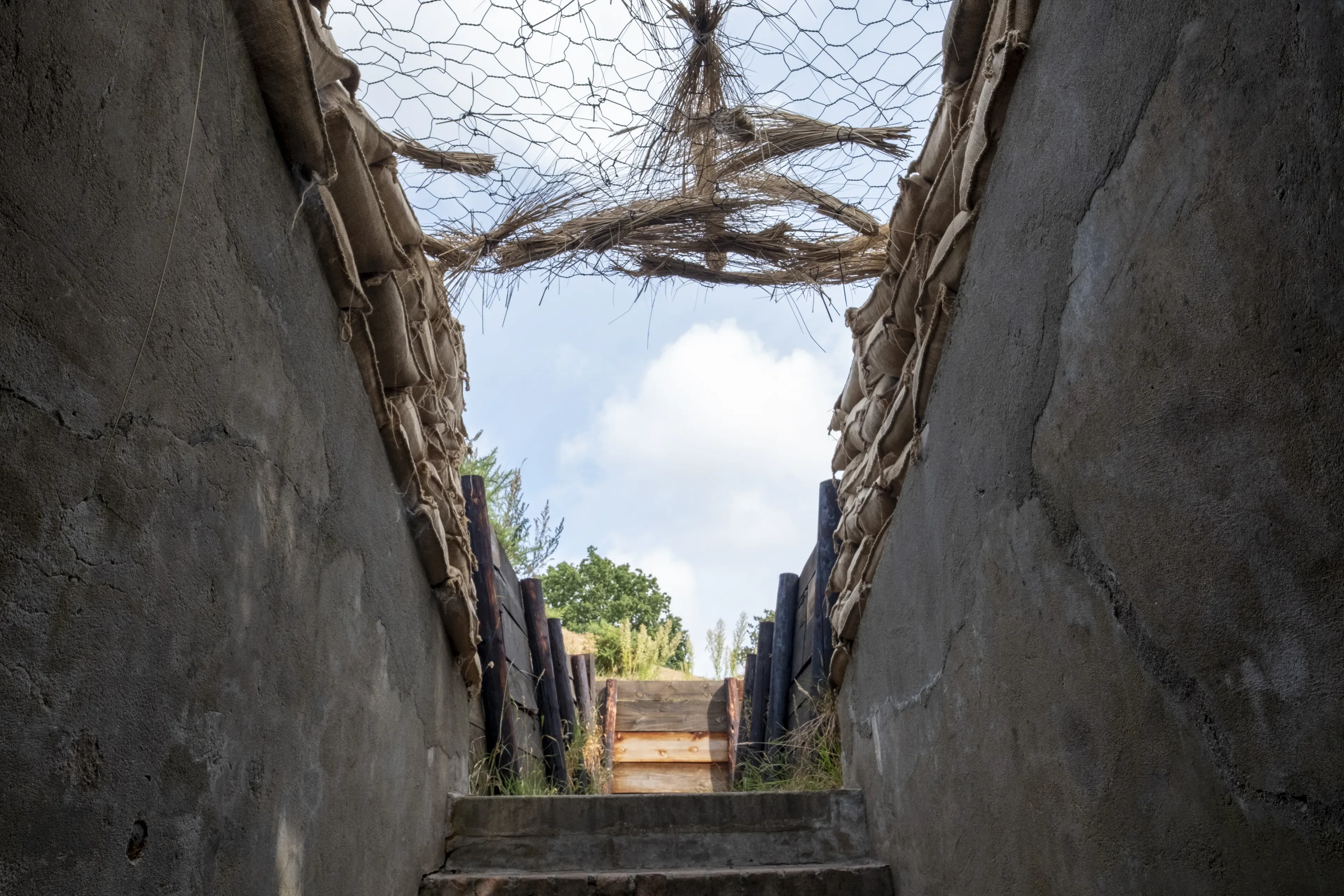
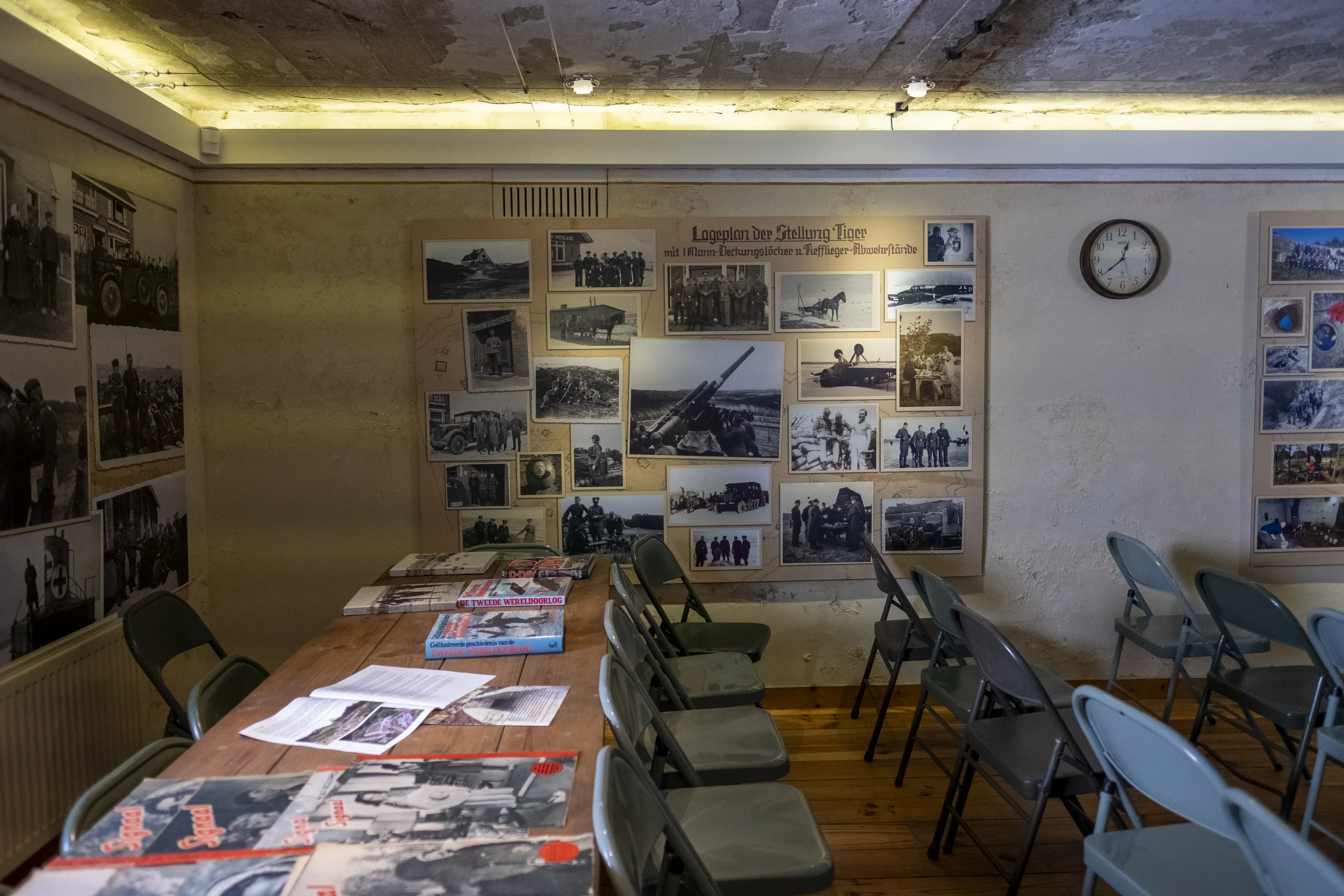
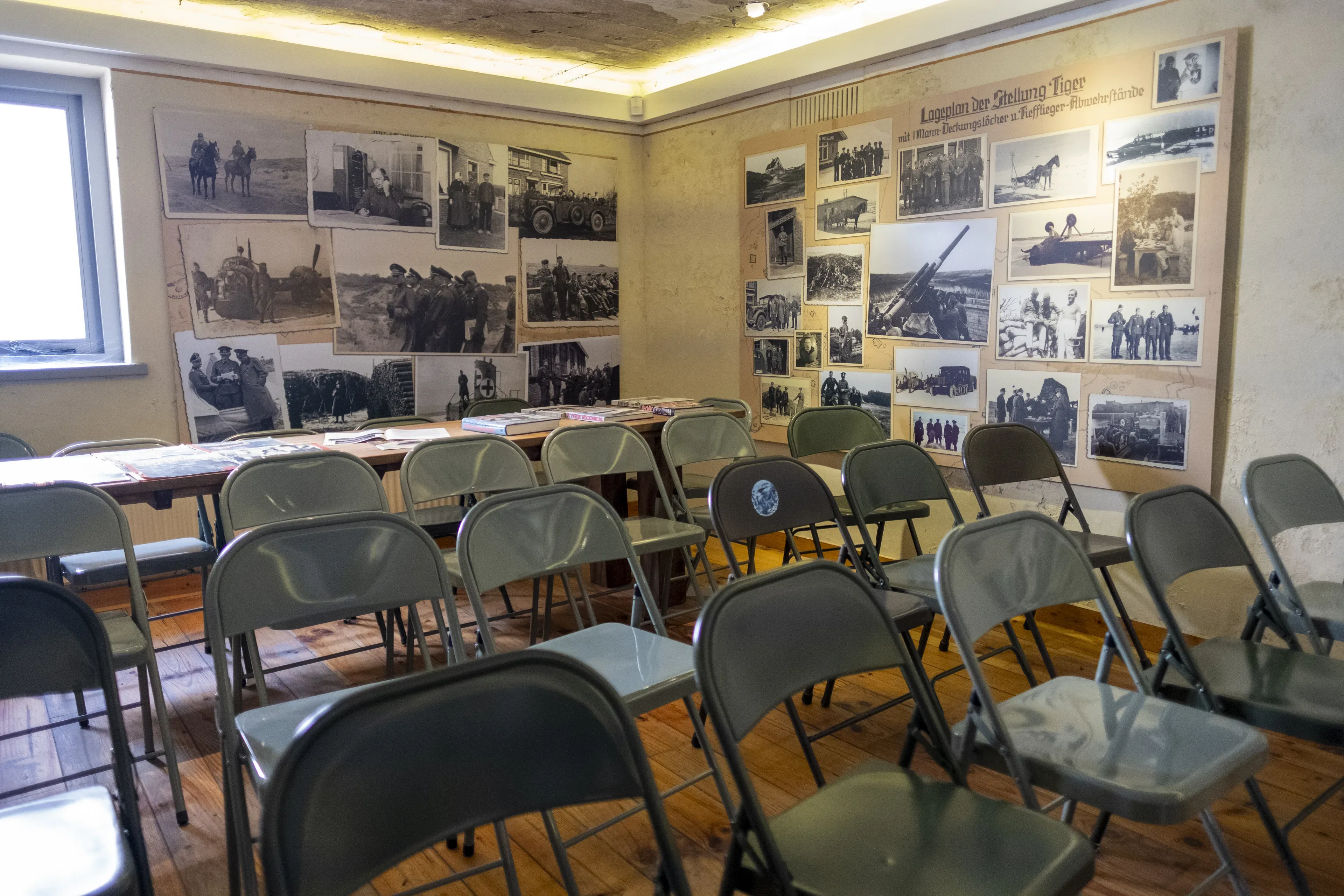
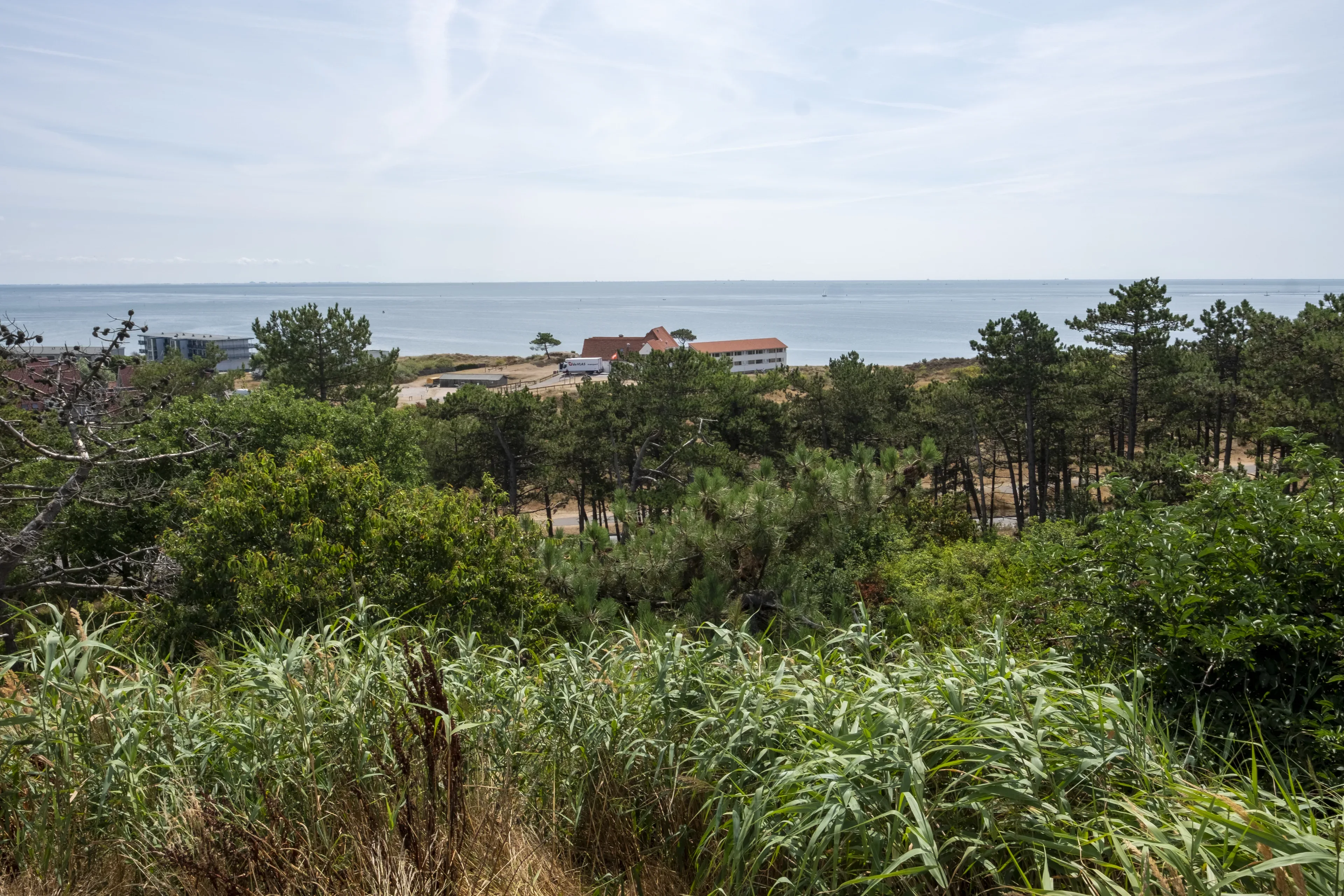
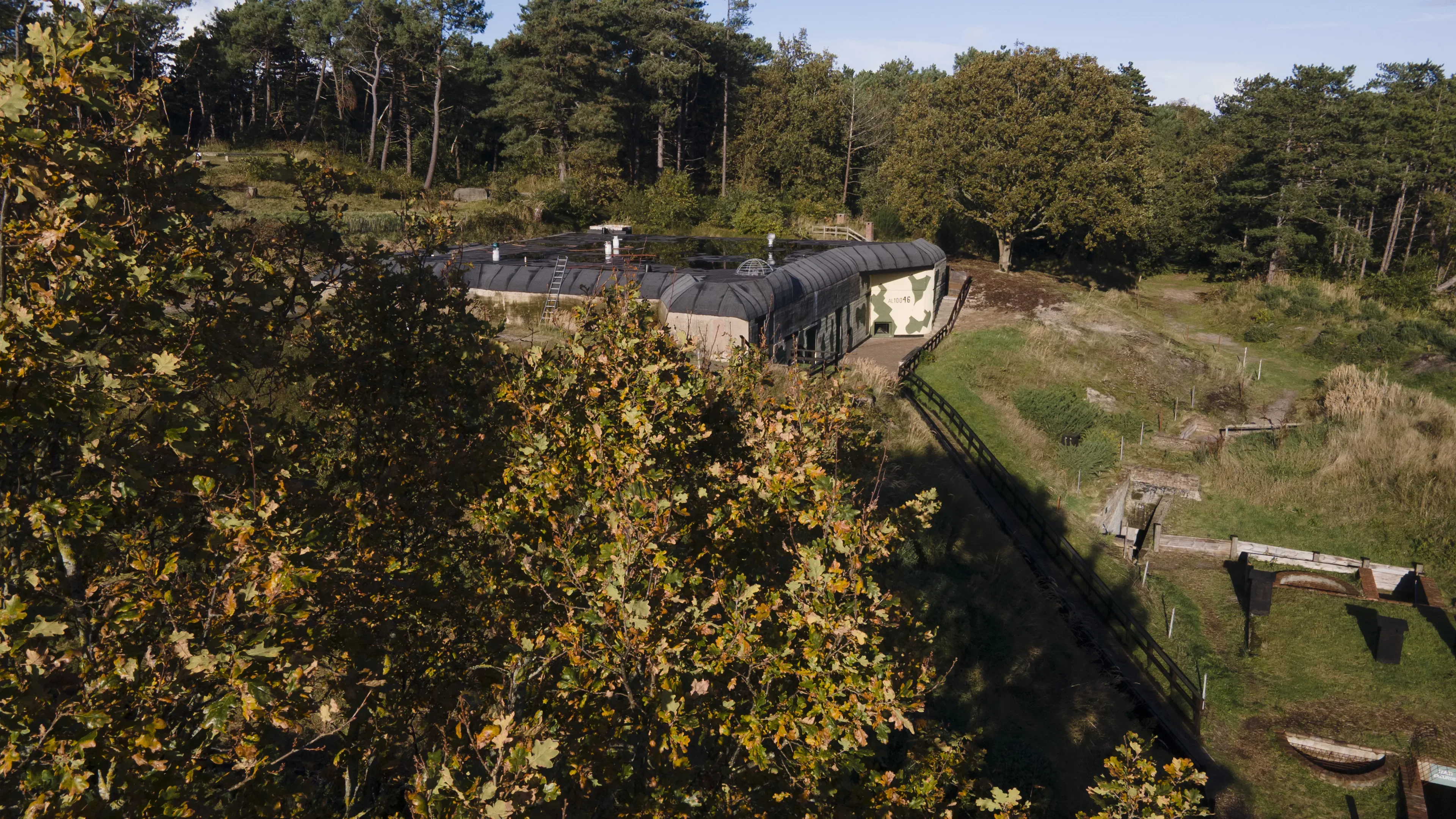
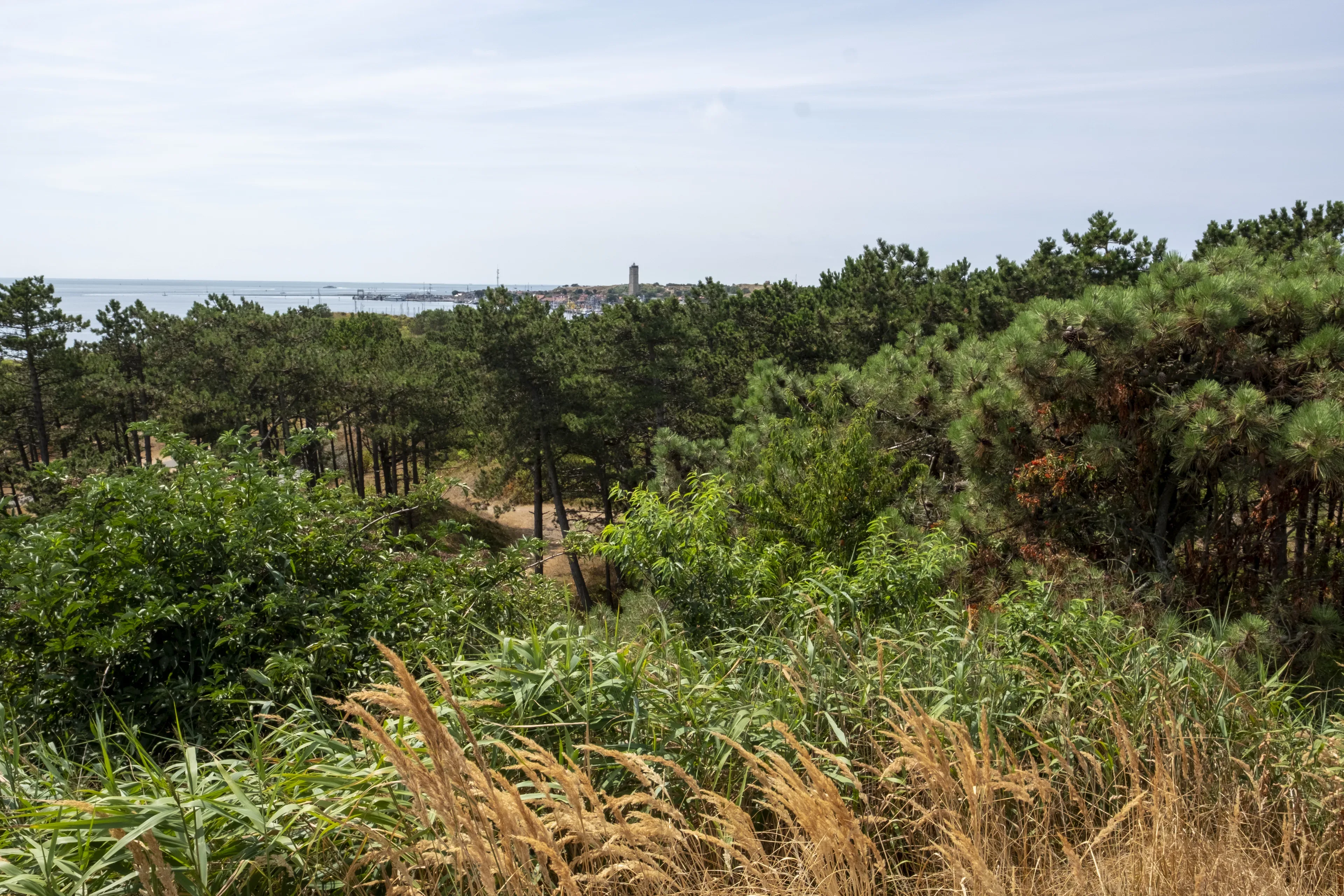
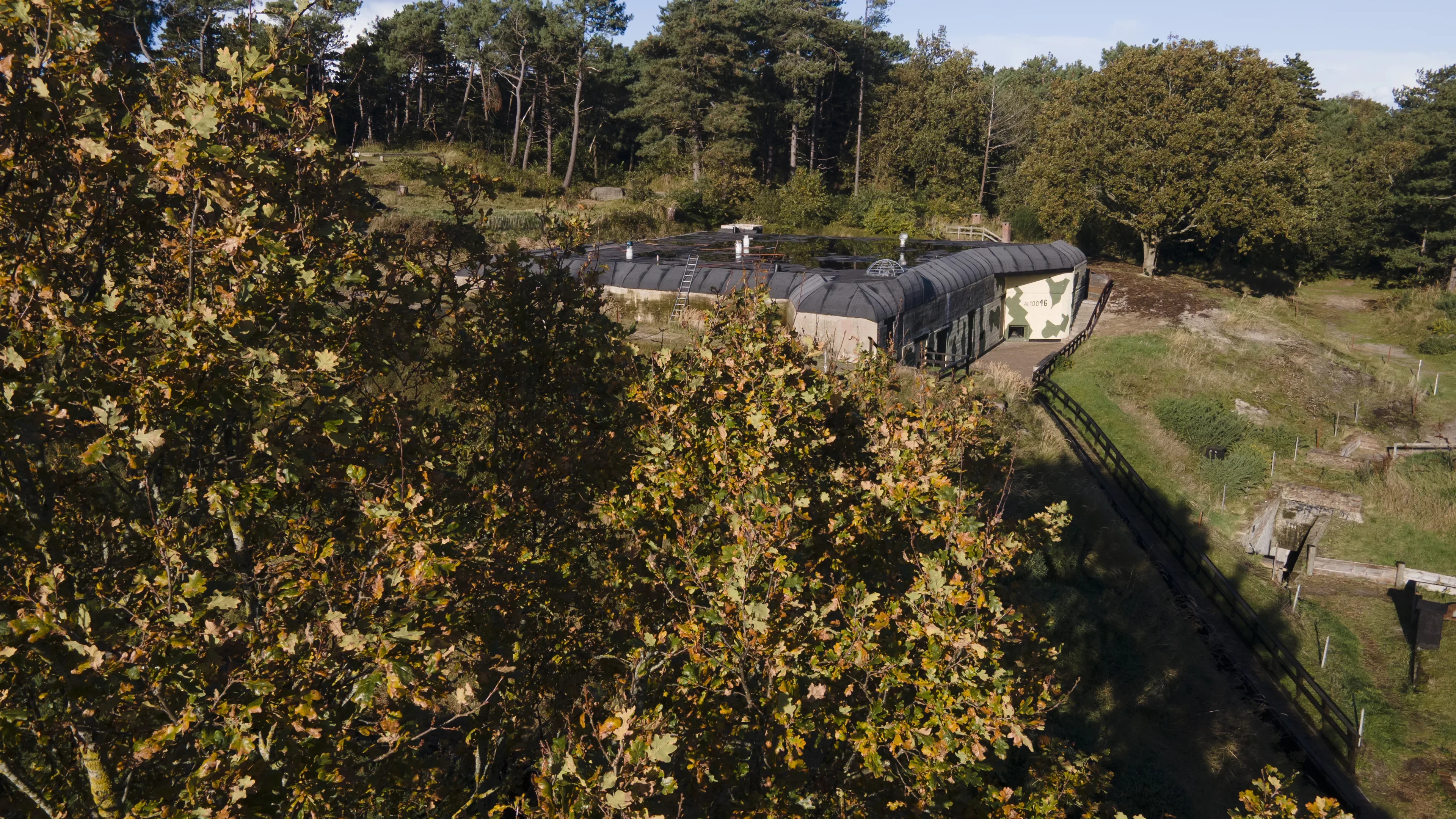
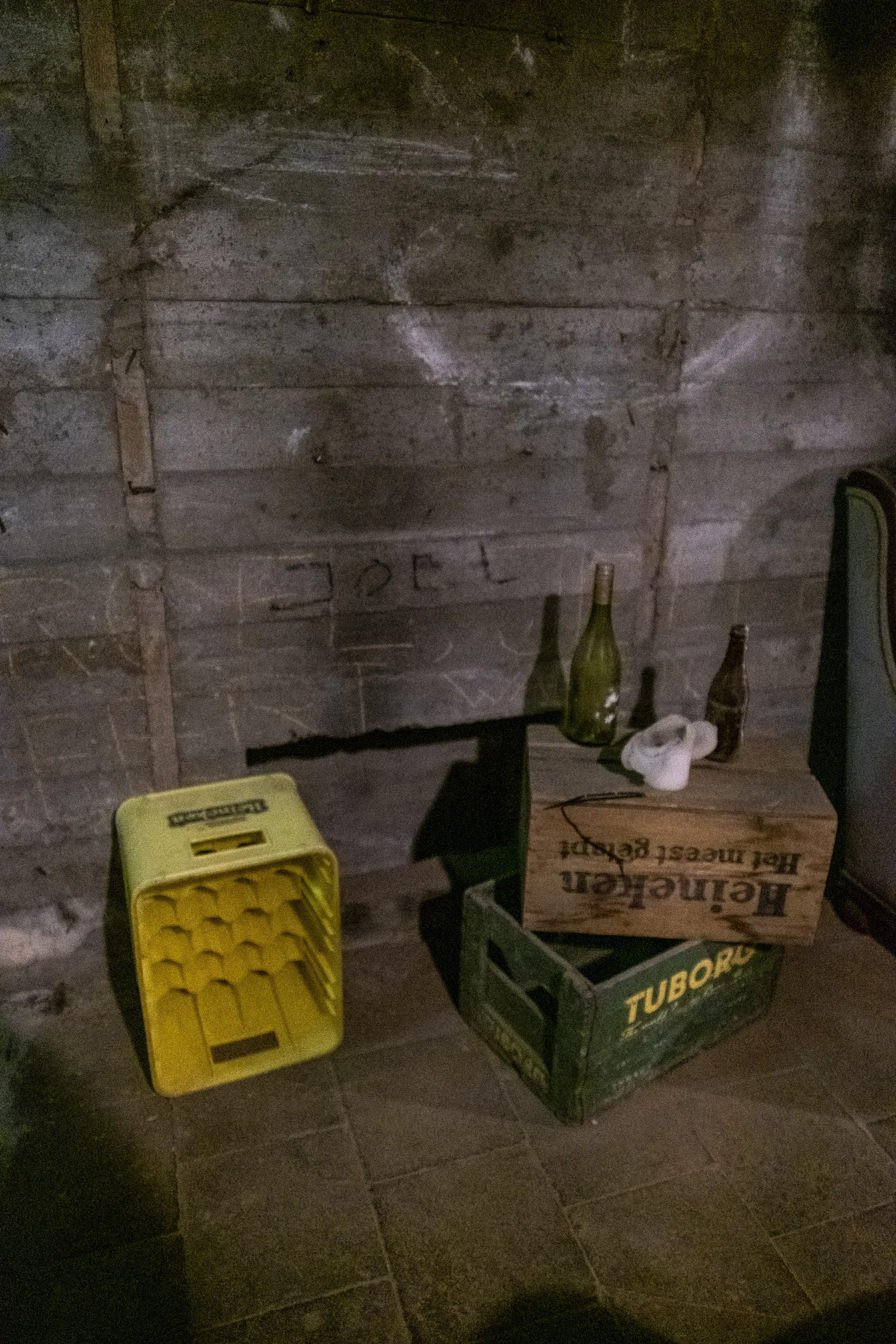
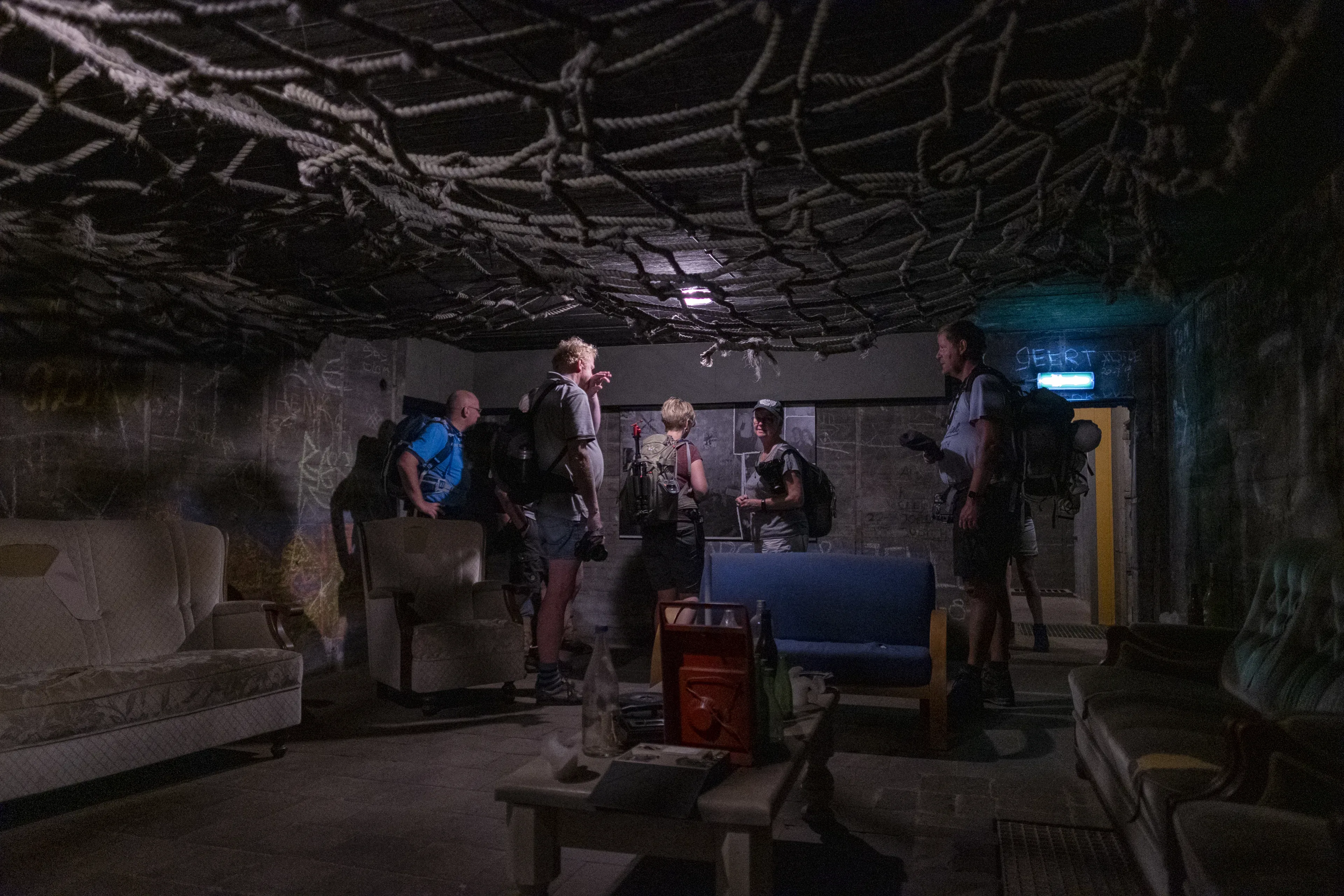
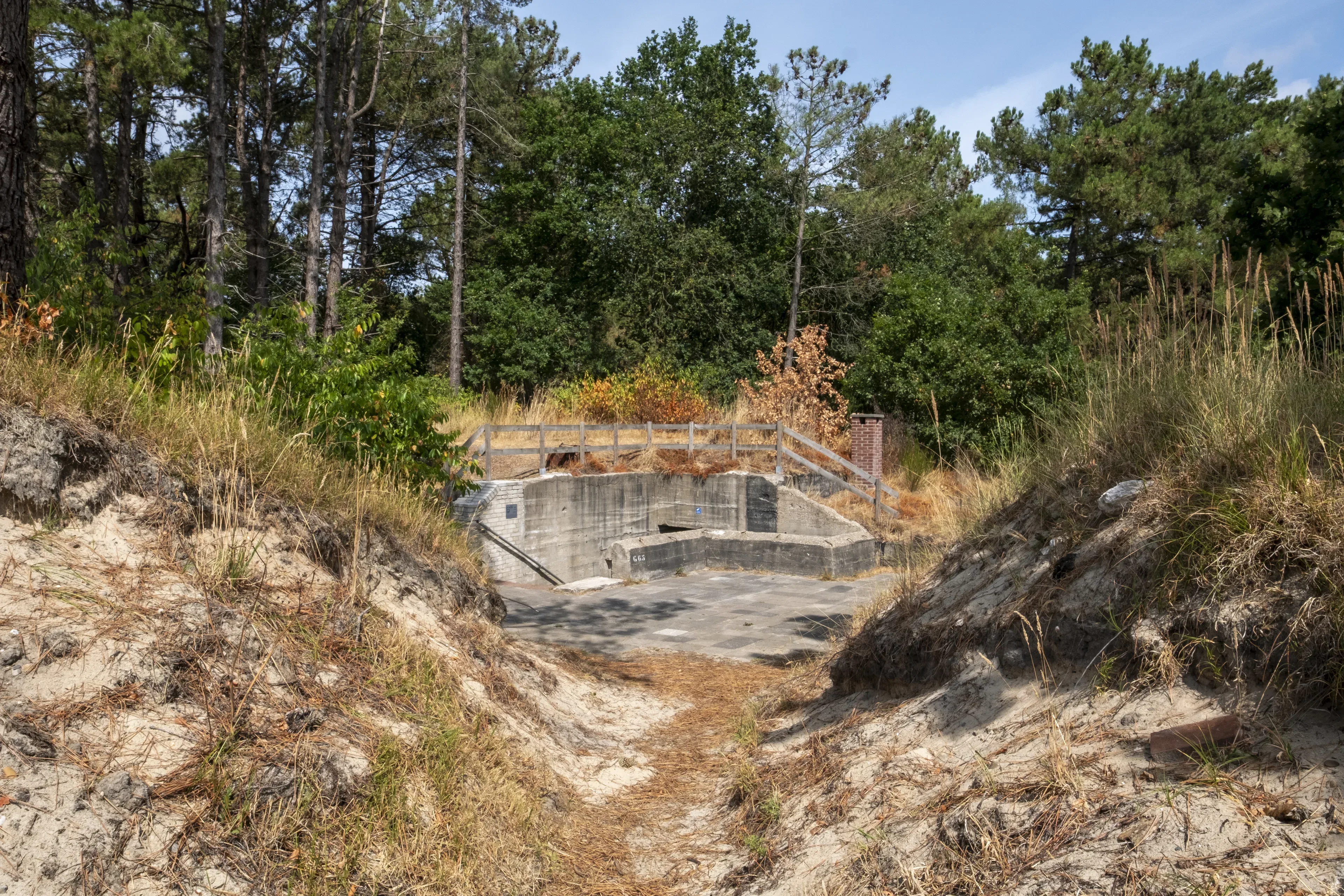
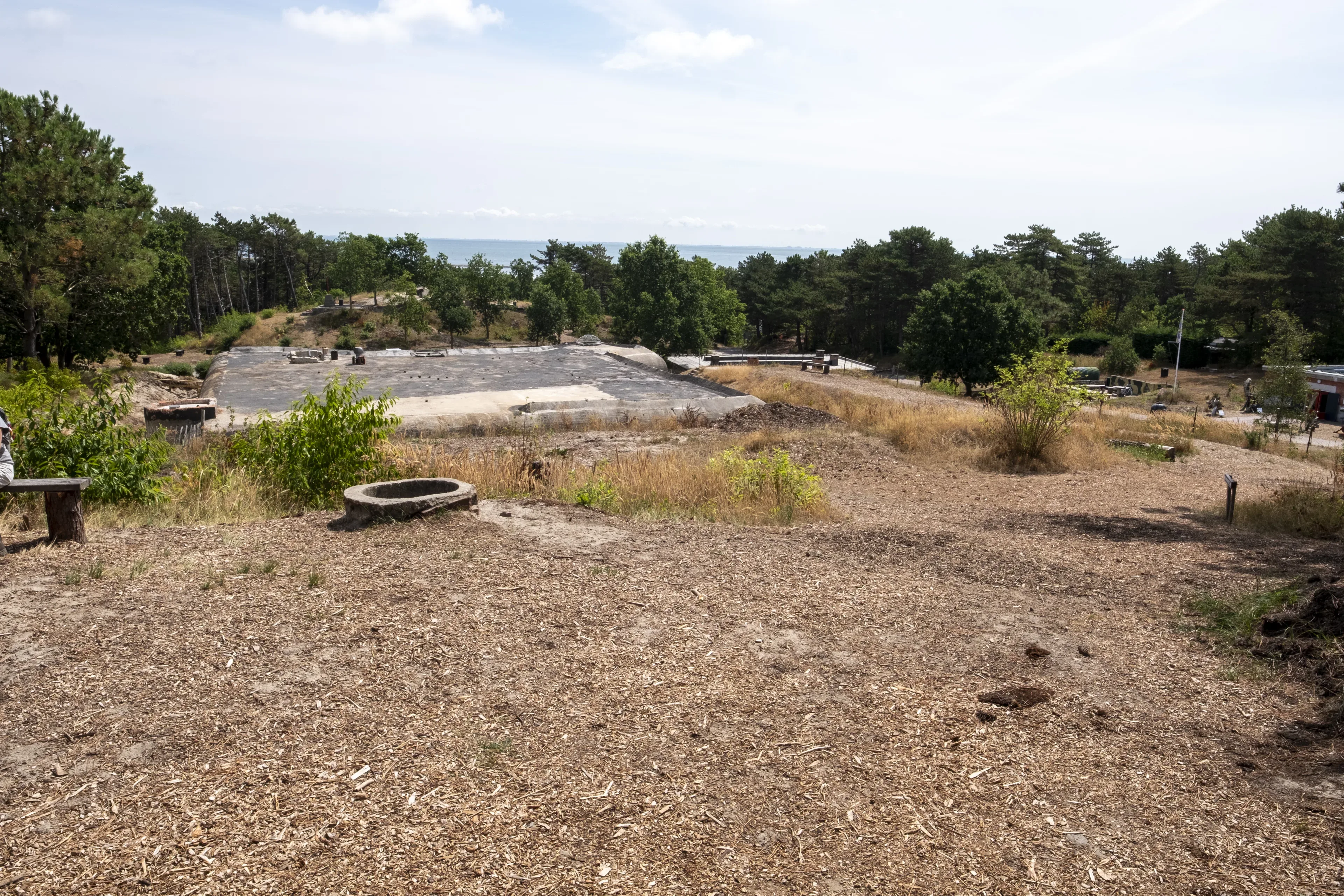
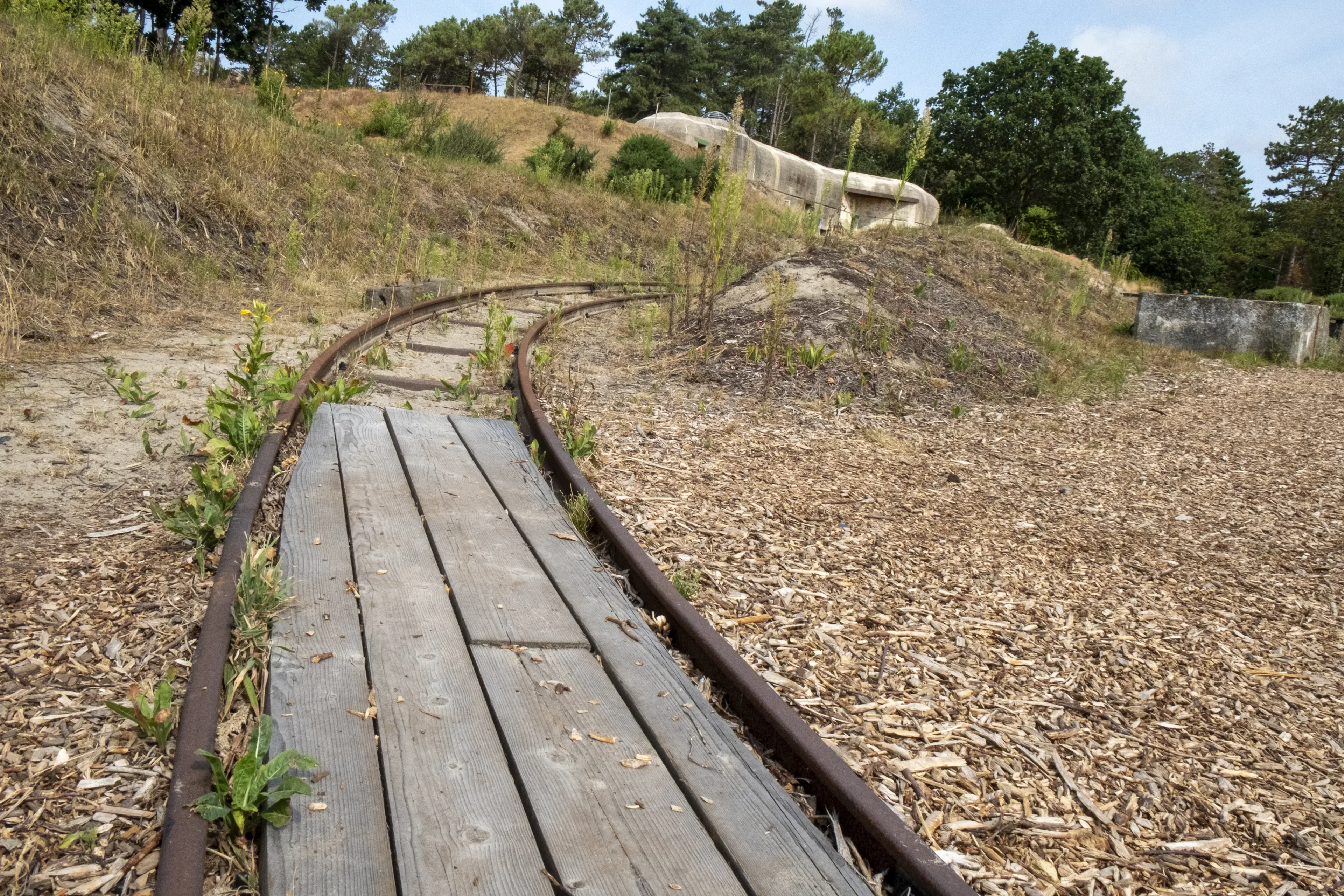
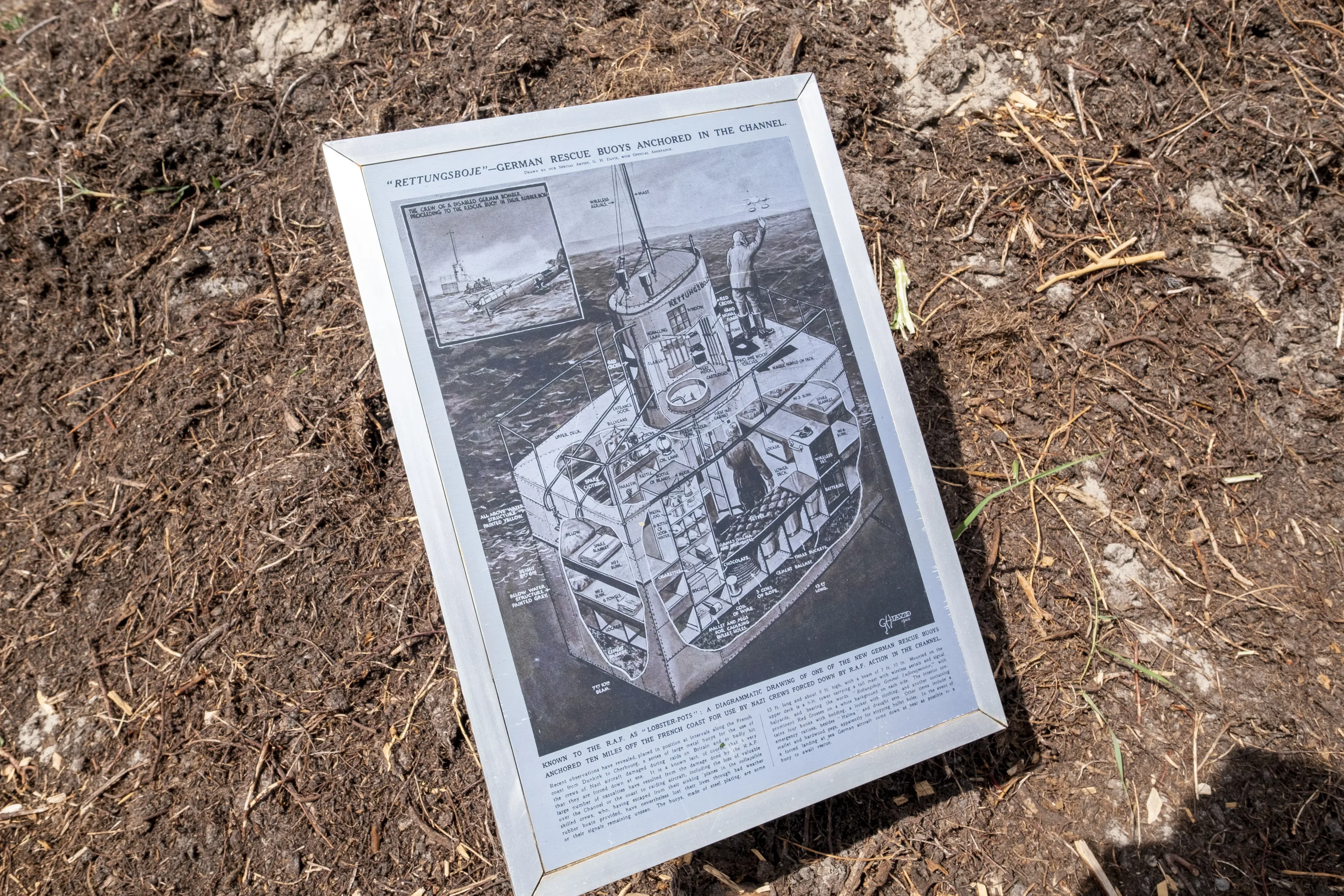
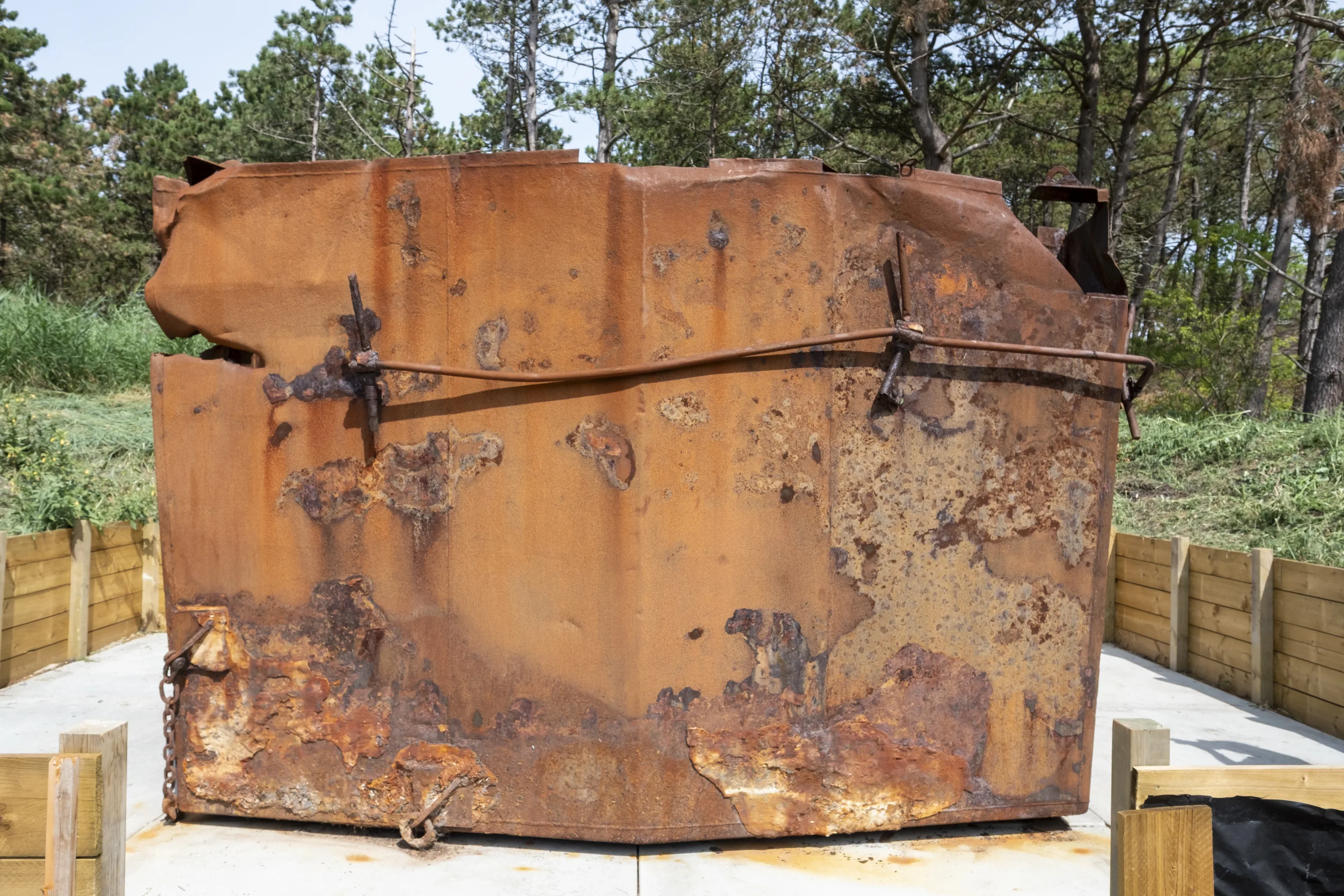
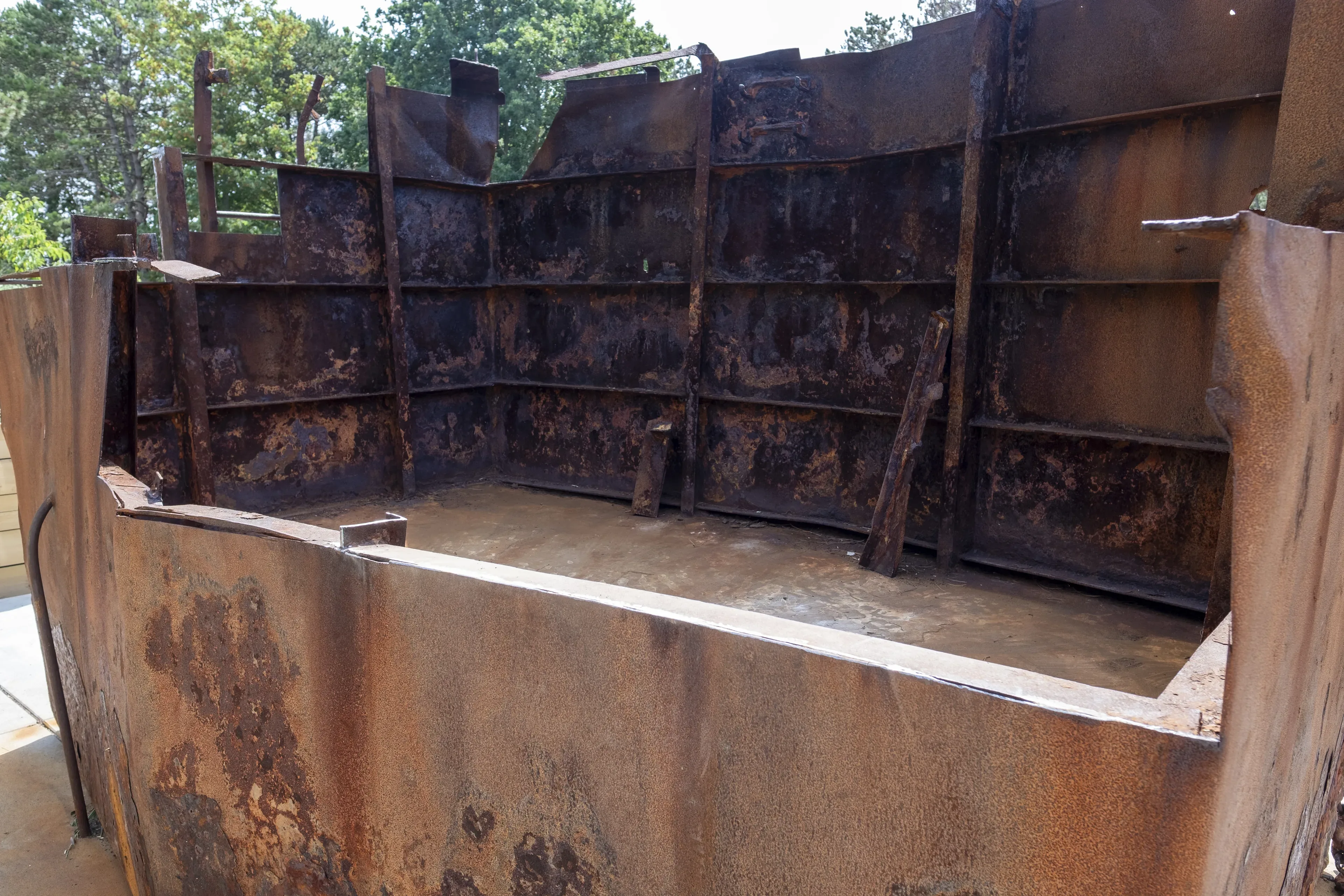
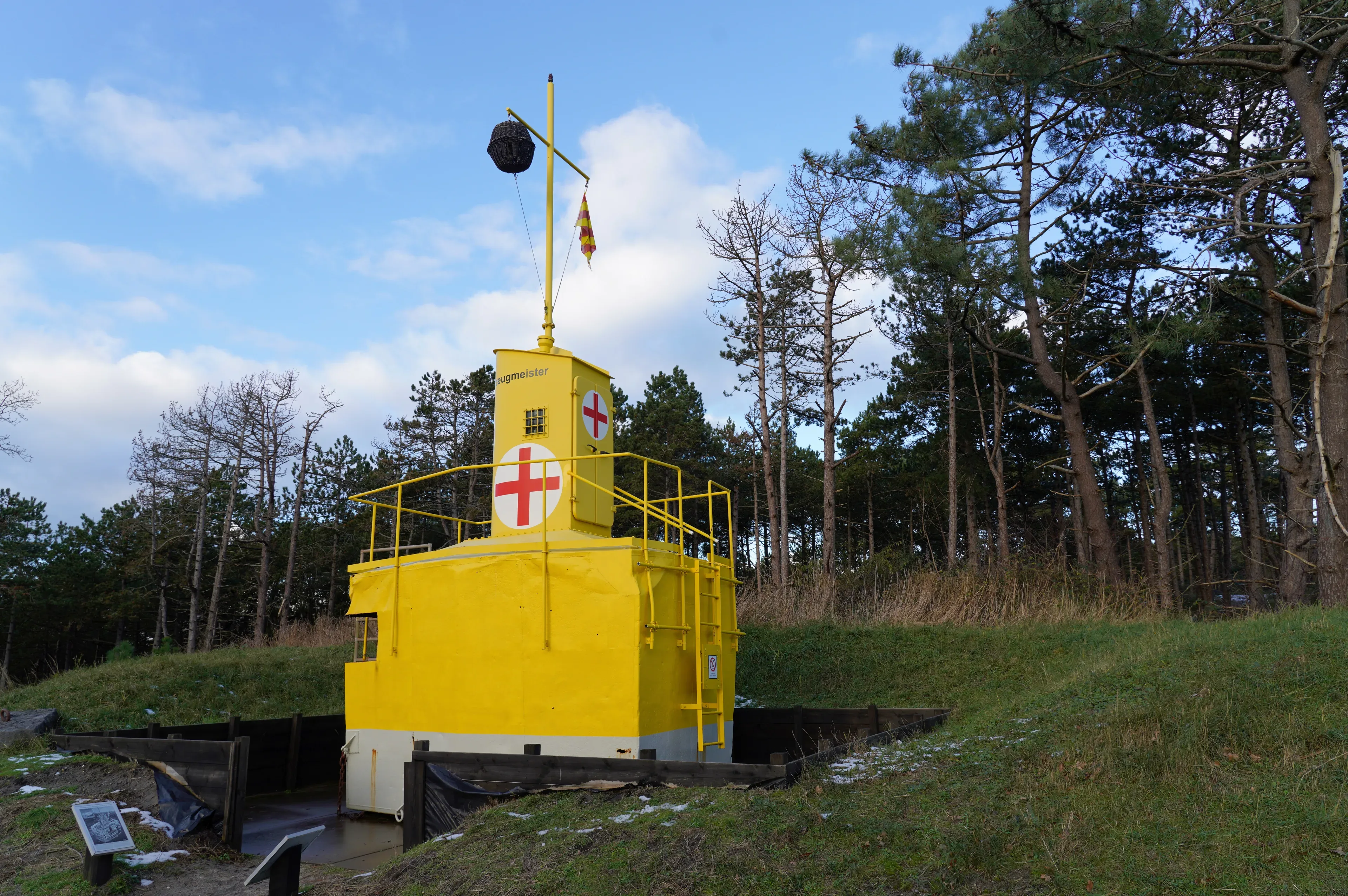
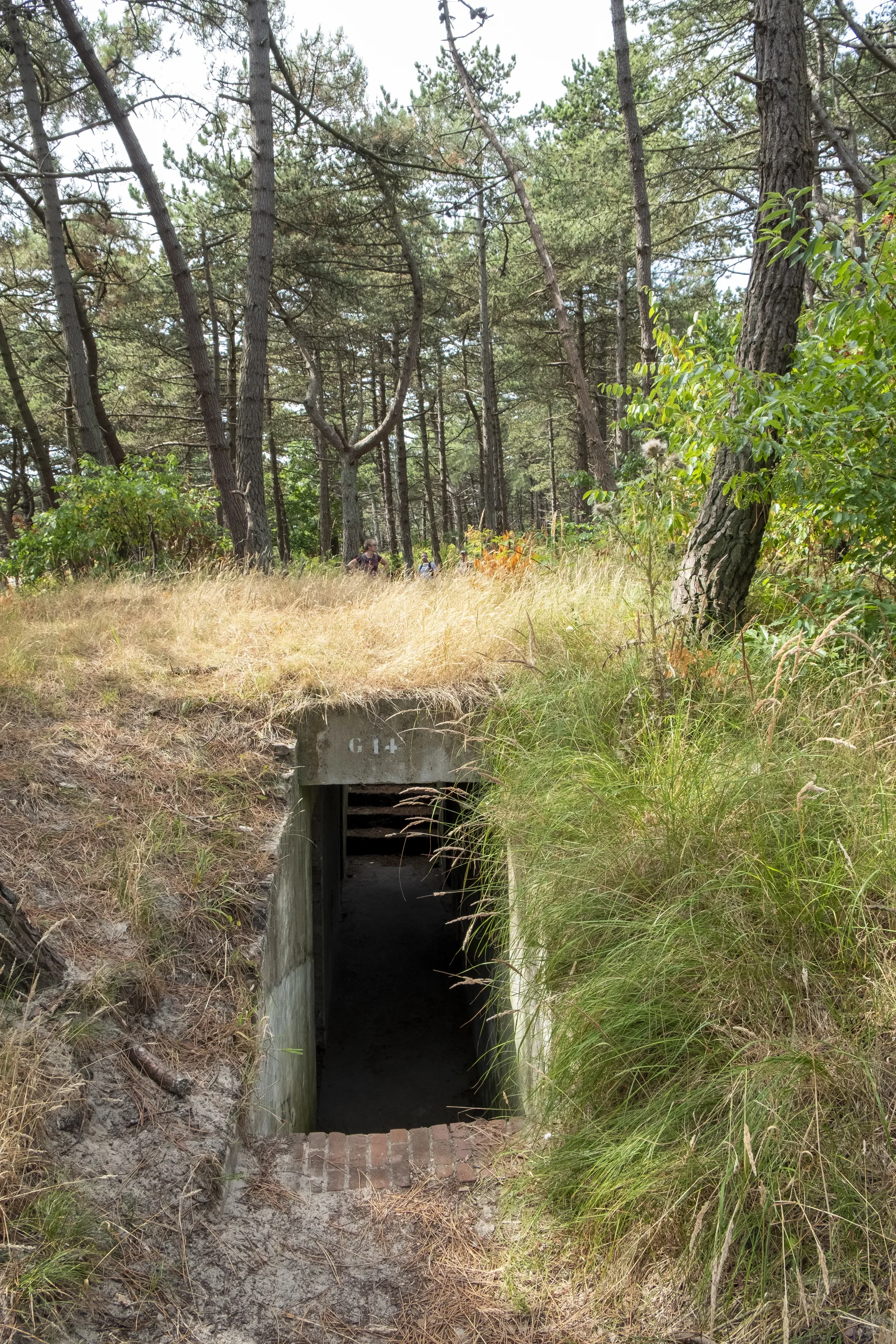
Our story of encountering the Udet buoy on Terschelling began in 2019 during a photo walk around the grounds of the Bunker Museum. There, I took several photographs of a remarkable old, rusted object that was awaiting restoration. The information sign was clear: it was the wreck of a German Udet buoy. At the time, I had no idea that this object would, a few years later, form an unexpected connection to my father.
My father passed away on 21 May 2021. In the weeks following his funeral, I began searching through his extensive photographic archive.
While clearing out his house, we found all kinds of belongings, but his photo archive seemed to have vanished. By the time the house was completely empty, I had almost given up hope. The only place left to clear out was a small stone shed, still filled with boxes and belongings from a move many years earlier.
It was in that shed that something remarkable happened. Ella was the first to discover a large PVC storage box, packed tightly with all of my father's photo albums.
"I think this is the box you've been looking for," she said.
It was a wonderful and emotional moment, but at the same time I was worried. The box had spent years in a damp shed, and I had no idea what condition the contents would be in. Very carefully, I began looking through the albums.
Fortunately, the photographs themselves had survived almost untouched. The albums, however, had not fared so well. Nearly all of the steel pins holding the pages together had rusted away completely, causing the albums to fall apart. Even now, years later, I am still in the process of digitising all of the photographs. It is a slow process, but every now and then I come across images that make me stop and reflect.
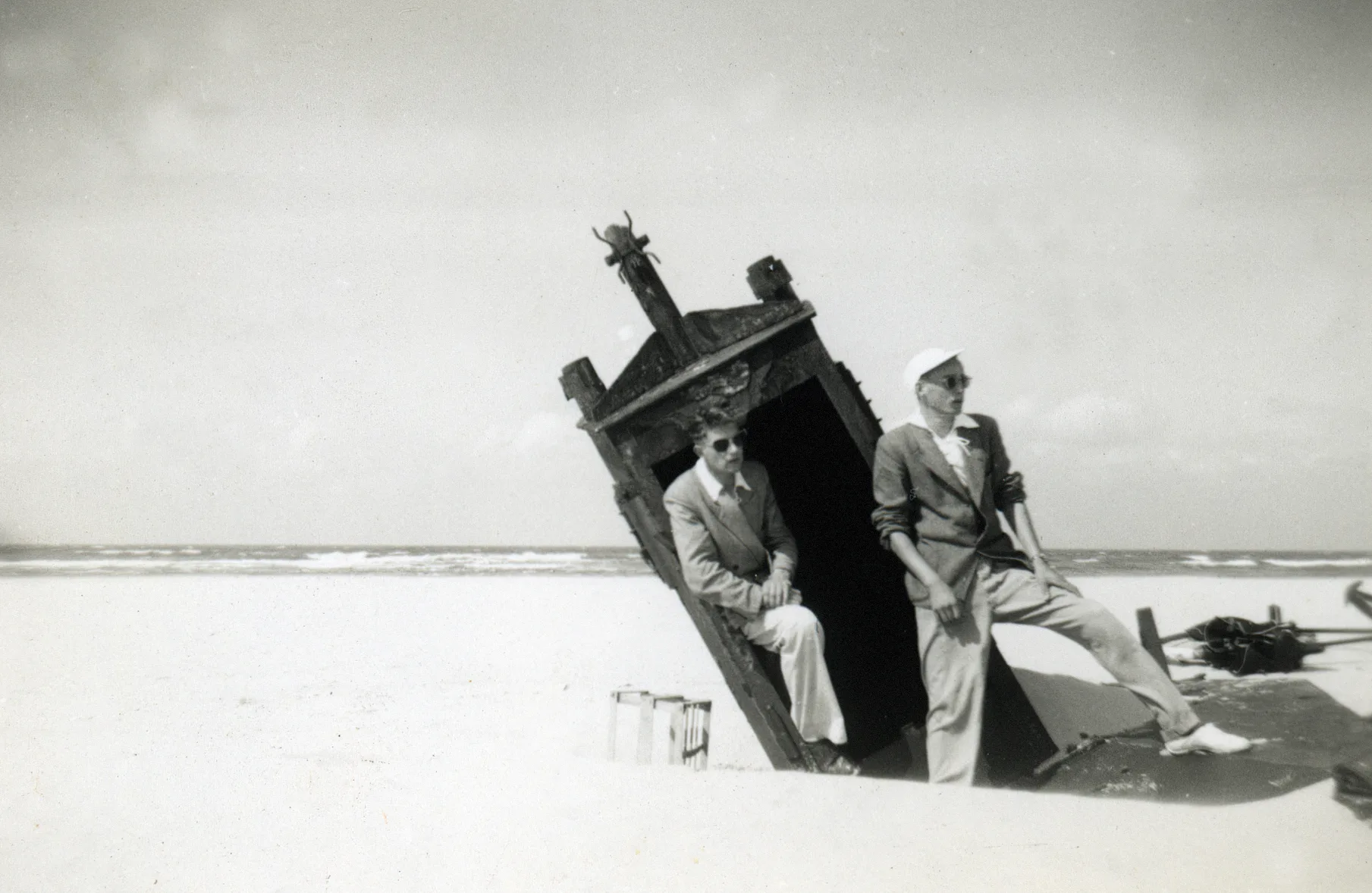
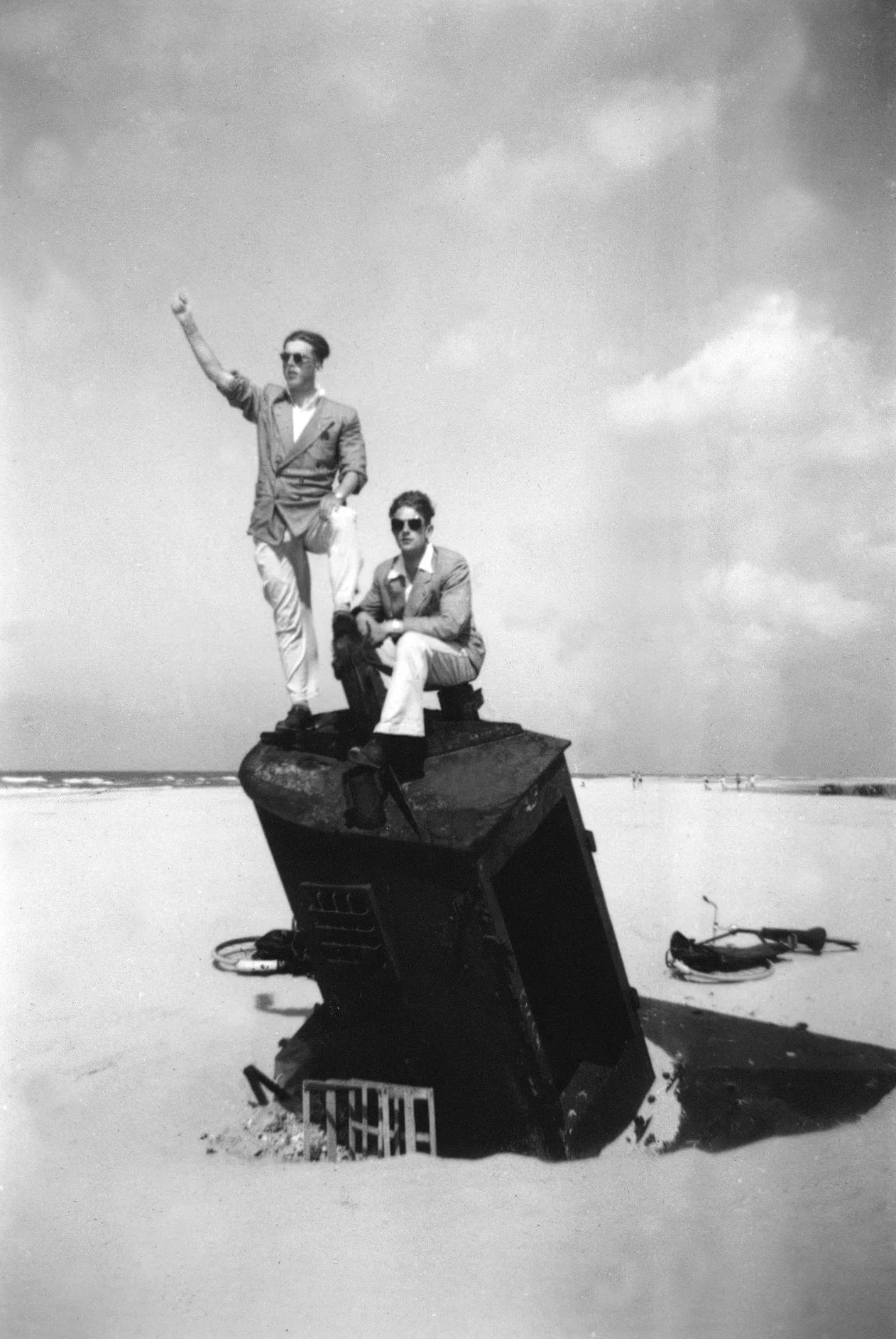
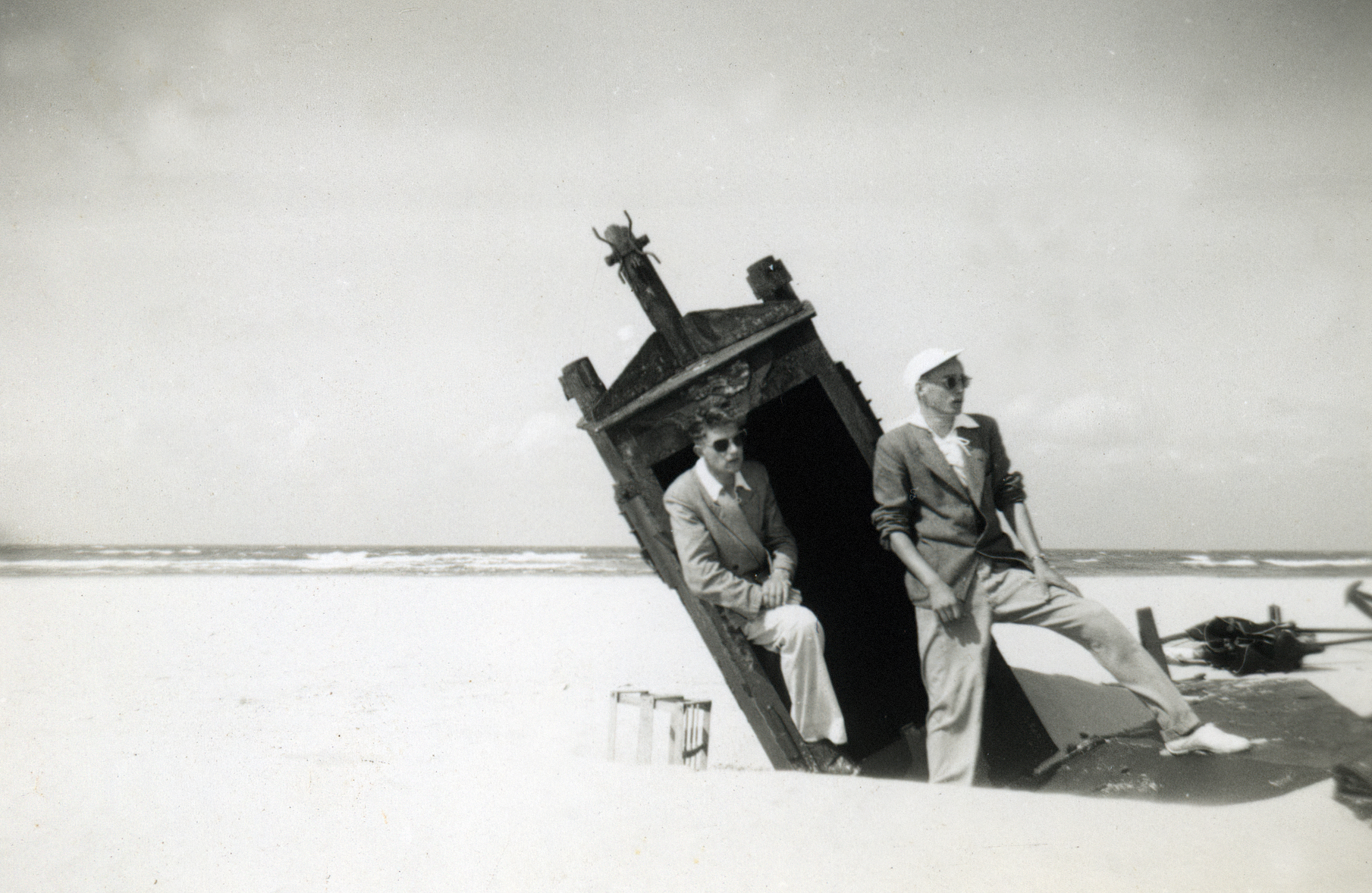
That was the case with a series of photographs of my father and his friends on holiday on the Wadden Island of Terschelling, taken during the summer of the early 1950s. They had cycled all the way from Hasselt for their holiday, and on that particular day they were riding along the beach towards the old lifeboat house. Somewhere near beach marker 23, they came across a wreck protruding from the sand. My father had never mentioned it to me. I only discovered it while looking through his holiday photographs in one of the albums. I also asked his older sister whether she knew anything about the pictures or what they showed, but unfortunately she didn't. To her, they were simply photographs of three young men enjoying their holiday.
Yet the wreck looked strangely familiar to me. A few weeks later, all the pieces of the puzzle suddenly fell into place when I came across the photographs from our 2019 photo walk. The photographs I had taken in 2019 and the ones my father had taken in 1953 turned out to show the very same object: the German Udet buoy.
In 1953, the buoy was still largely buried beneath the sand. Only the upper deck and the tower protruded above the beach. For the three young men it was the perfect place to climb onto, pose together, and take photographs. They had stumbled upon a wreck that had once washed ashore. Over time it had been buried by wind-blown sand, only to be exposed once again. The entire lower section, however, remained deeply buried beneath the beach.
They probably never realised what they were actually standing on.
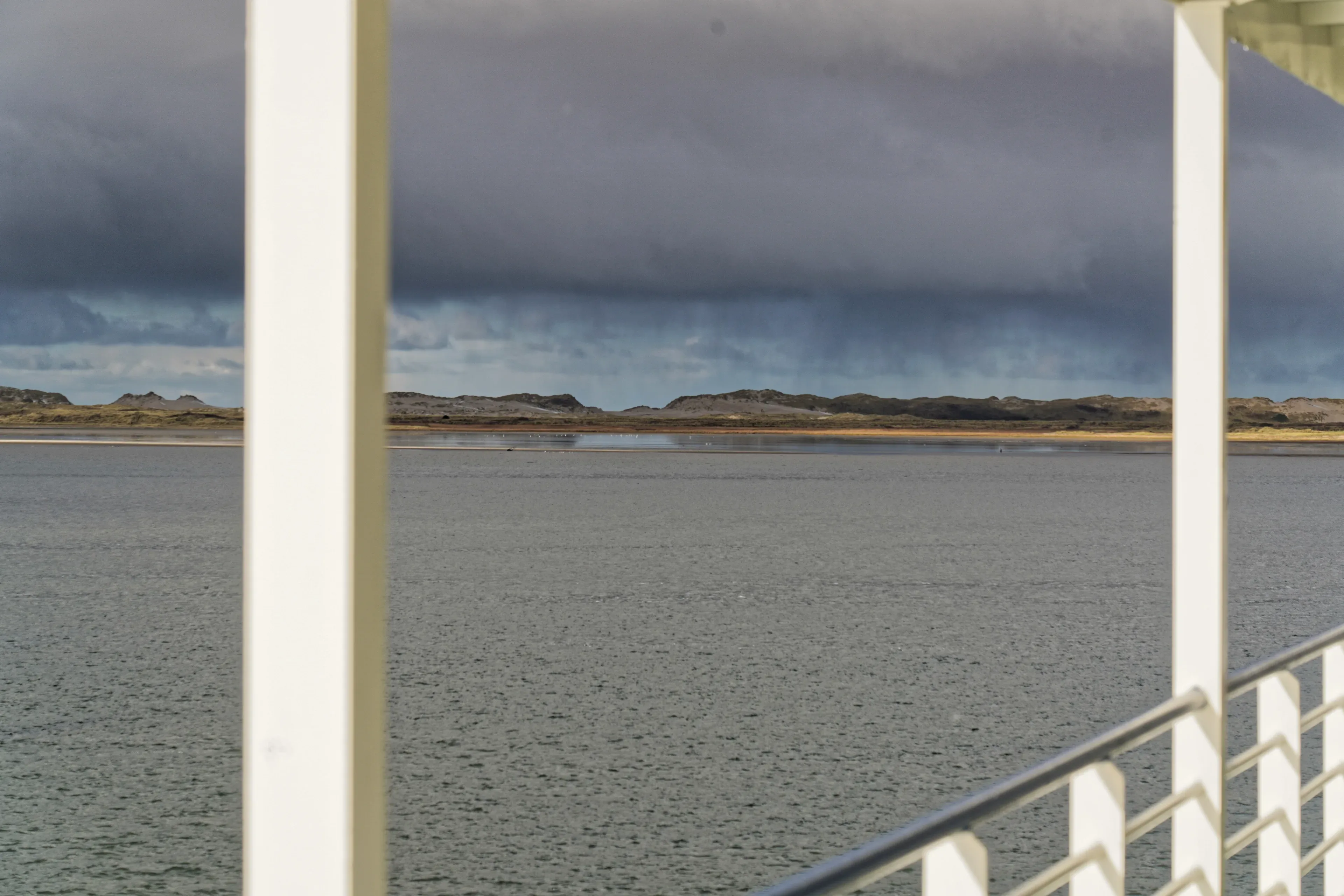
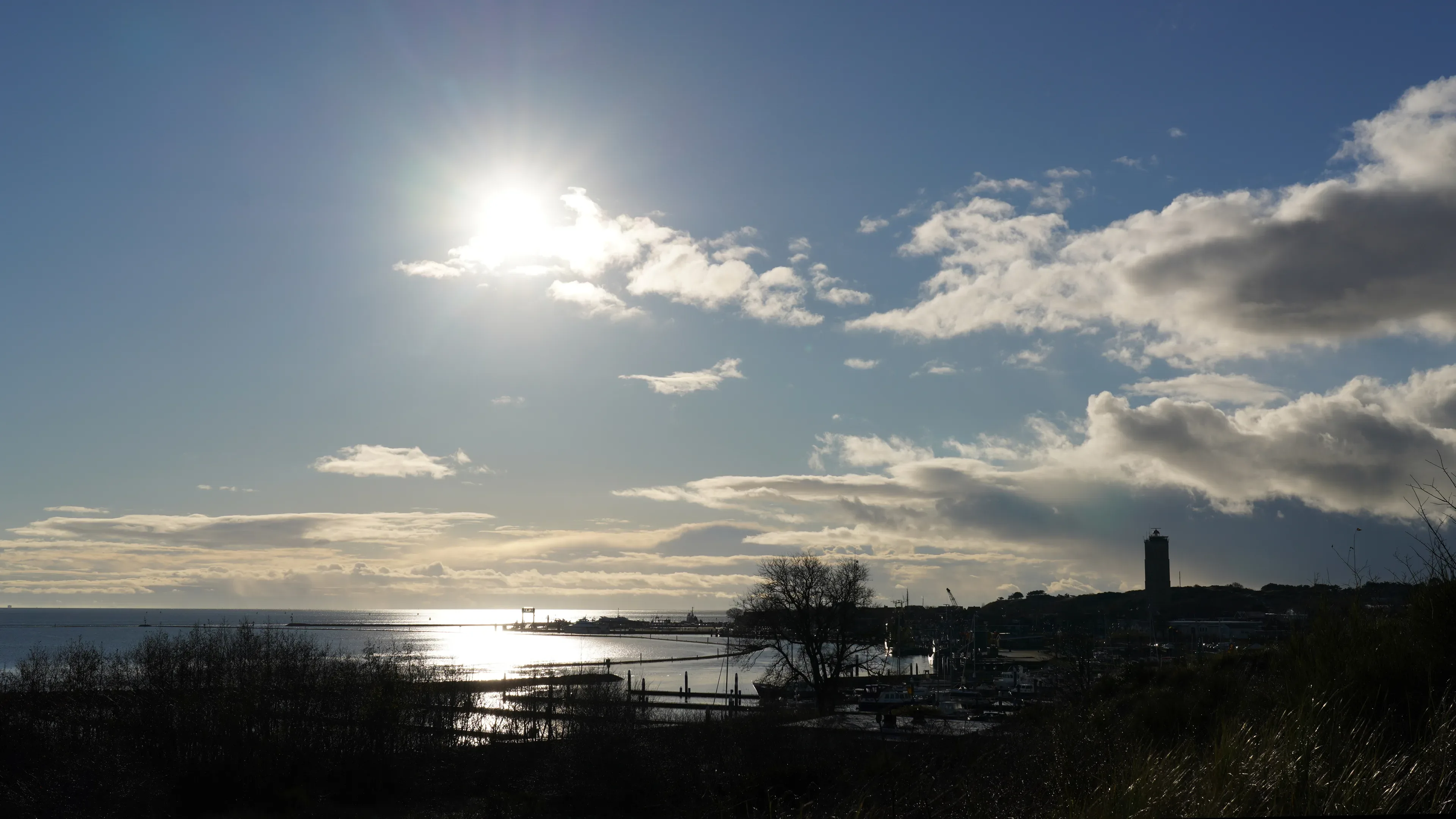
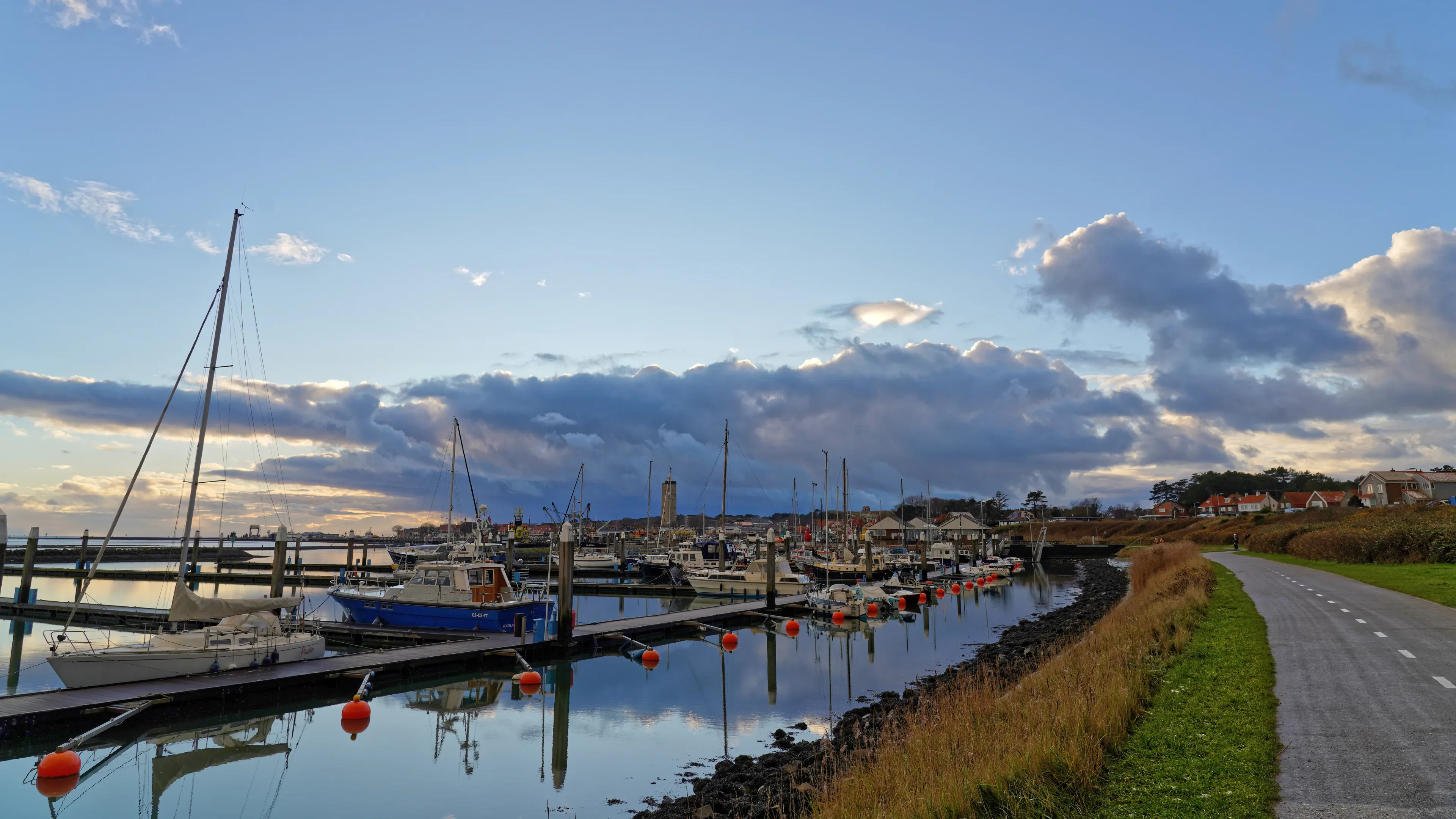
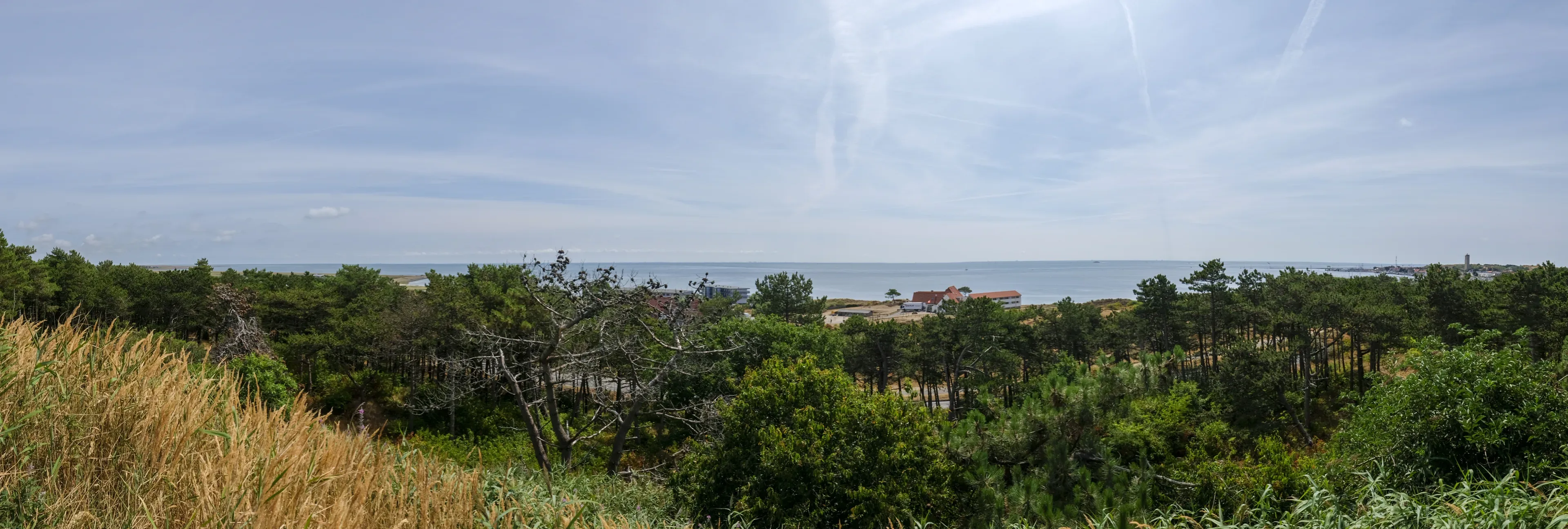
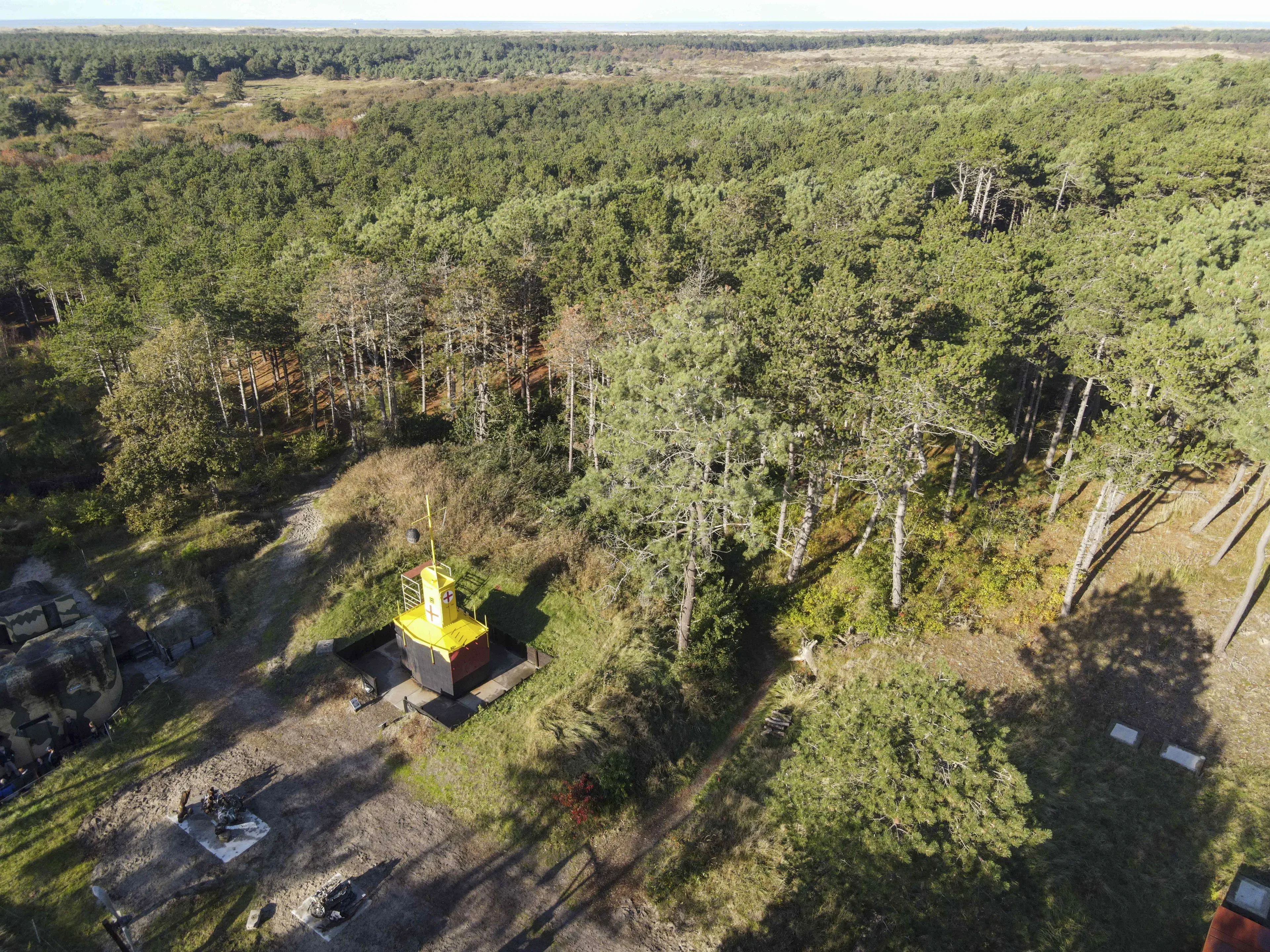
At the end of 2023, we travelled to Terschelling ourselves to visit the Udet buoy once again. The Wadden Sea lay beneath skies filled with wintry showers, while a thin dusting of snow covered parts of the dunes and buildings across the island. The restoration of the buoy's exterior had been completed, and it now stood proudly in its new location at the Bunker Museum.
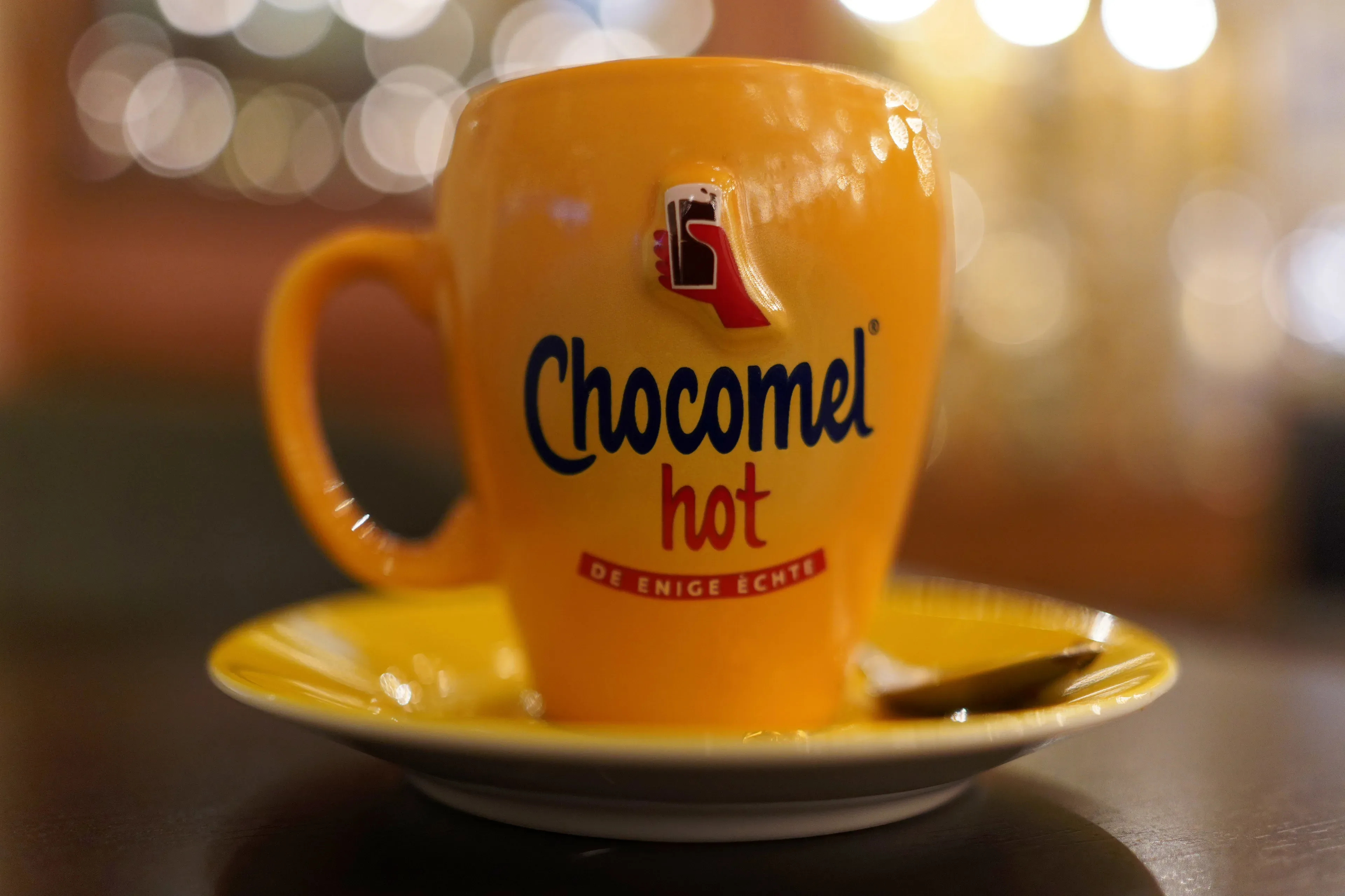
Before walking to the museum, we had a chance meeting with Hille van Dieren, owner of the Wreck Museum and a volunteer at the Bunker Museum. We stepped into Het Wakend Oog for coffee and hot chocolate, where Hille was sitting at the large table in the centre of the café together with several island residents.
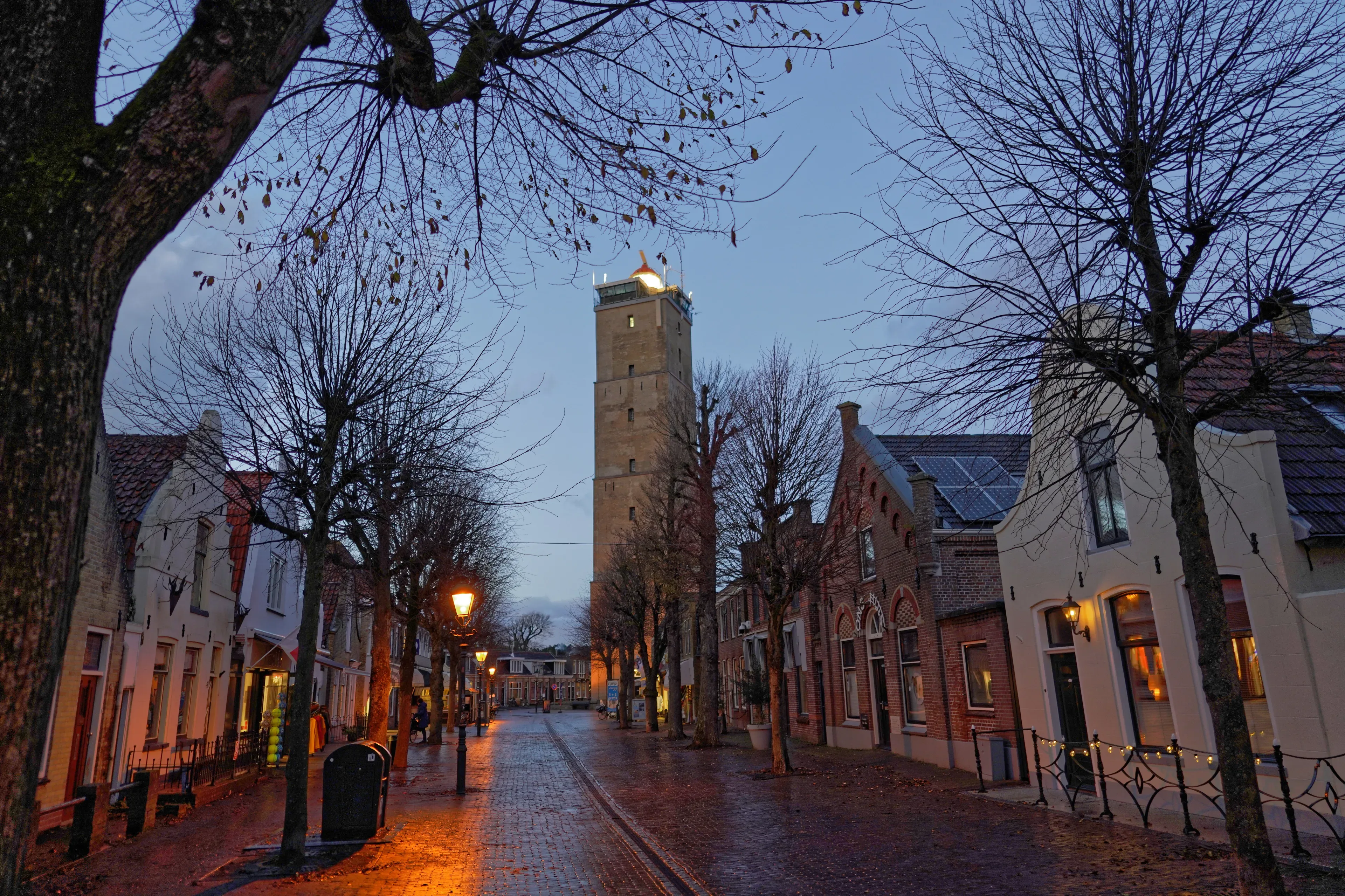
Het Wakend Oog is located on the corner of Willem Barentszkade and Torenstraat. Interestingly, the building is known by three different names. The most common is 't Wakend Oog, after the carved stone in its façade. Some people also call it 't Wachthuuske, while its official name is Het Willem Barentszhuis.
Hille told us the story behind the buoy and shared his own memories. As a boy, he regularly visited the beaches of Terschelling, where pieces of metal from old wrecks were often collected and sold to the local scrap dealer for a few coins.
"If I'd known then what it really was," he said, "I would never have taken anything from it."
After our conversation, we walked to the Seinpaal dune and continued through West-Terschelling towards the museum.
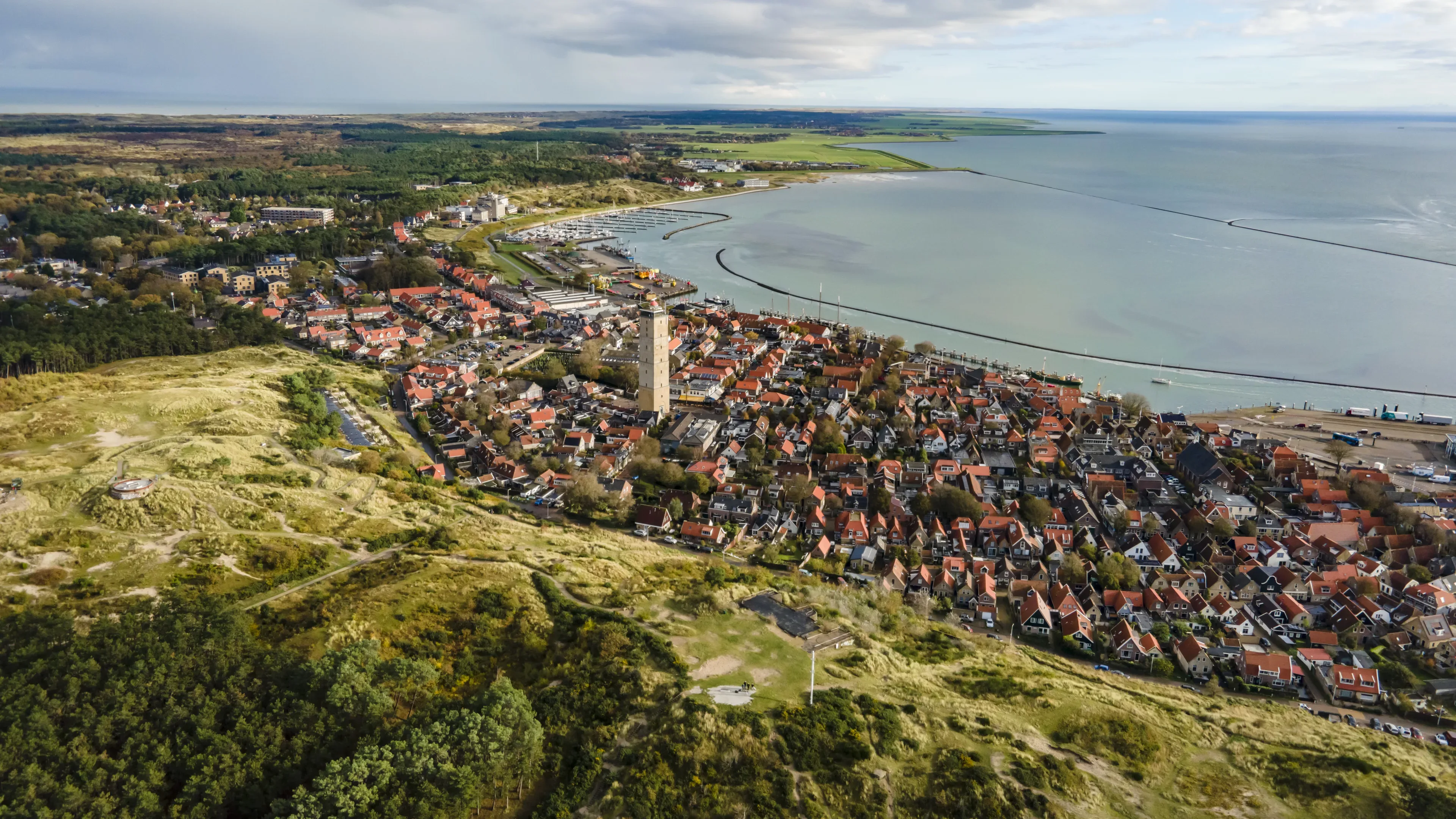
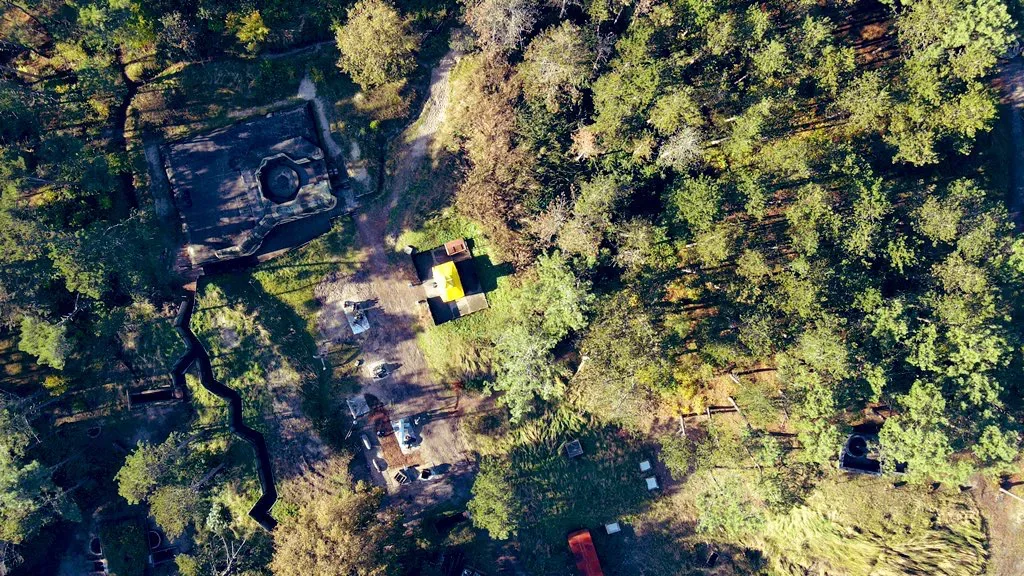
Standing on the grounds of the former Tigerstellung, I took photographs and drone footage and wrote down everything we had experienced. Later, I sent both the story and the photographs to Ying Mellema of Terschelling Magazine, who had reserved several pages for the article. Just one week later, the new edition landed on our doormat.
Two months after our visit to Terschelling, I came across an extensive documentary on YouTube by Calum Raasay from Scotland. He had produced a remarkably detailed film about the history of the Udet buoy. Calum lives on a Scottish island himself and has a strong interest in both Dutch and British history. After exchanging several messages, I sent him all the information I had gathered, an English translation of my article, and the remarkable photographs of my father and his friends.